
3D Printing Material Guide
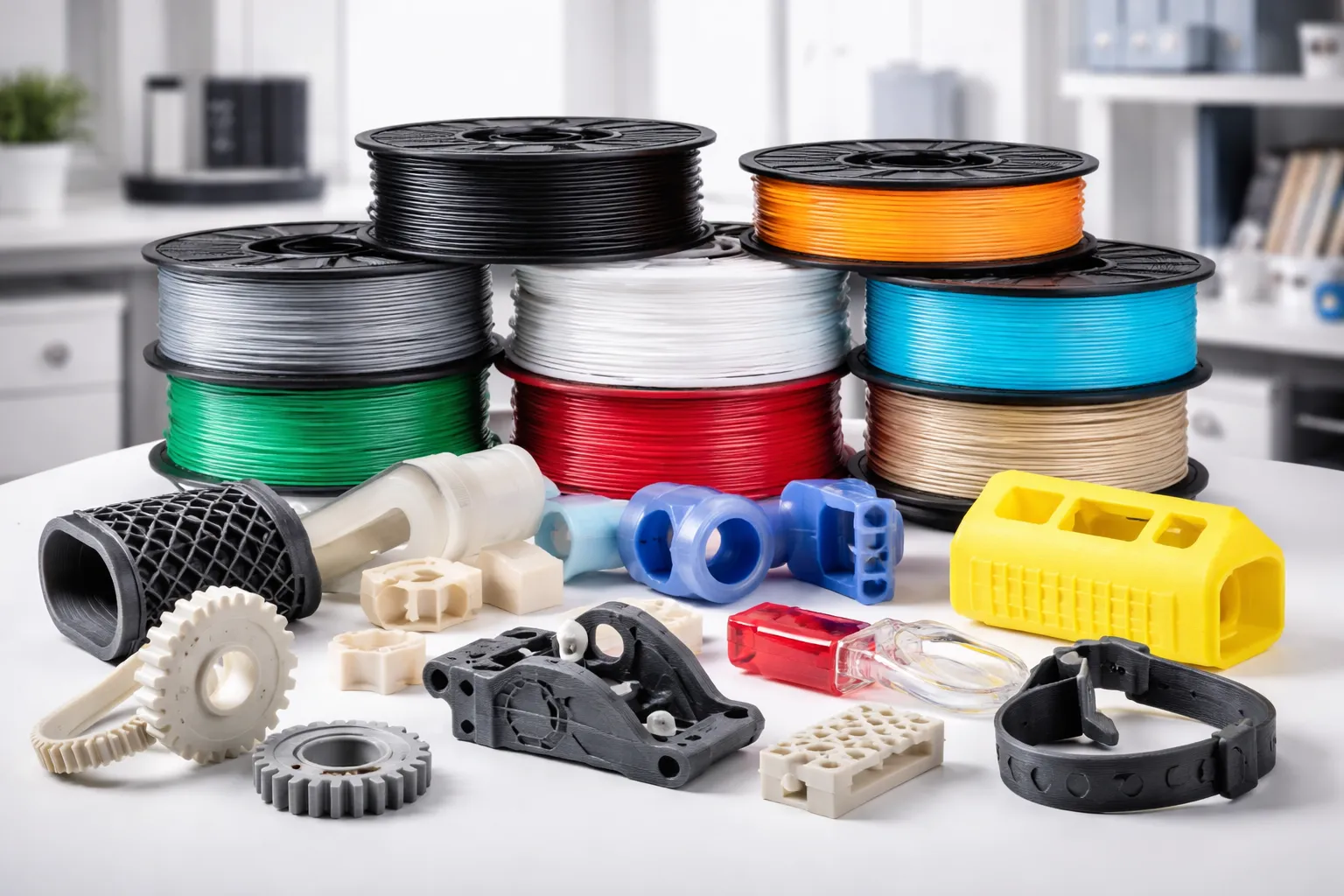
Choosing the right 3D printing material is essential for achieving the best performance, durability, and visual quality in any 3D printed project. At ARCH GRAPHIC 3D PRINTING, UAE, we use professional FDM 3D printing technologies and a wide range of materials including PLA, ABS, PETG, ASA, Nylon, TPU, and specialty filaments—each offering unique mechanical properties, heat resistance, flexibility, and surface finishes. This 3D printing material guide helps you compare options and select the most suitable material based on strength, appearance, environment, and functional requirements. Whether you need high-detail display models or durable engineering components, understanding 3D printing materials ensures the best results for your custom 3D Printing needs in the UAE.
3D PRINTING
Get your models printed with our advanced 3D Printing services!
3D ARCH GRAPHIC Printing in UAE brings your designs to life using advanced 3D printing techniques. Simply provide us with your 3D files, and we’ll print and deliver them to you – it’s that simple.
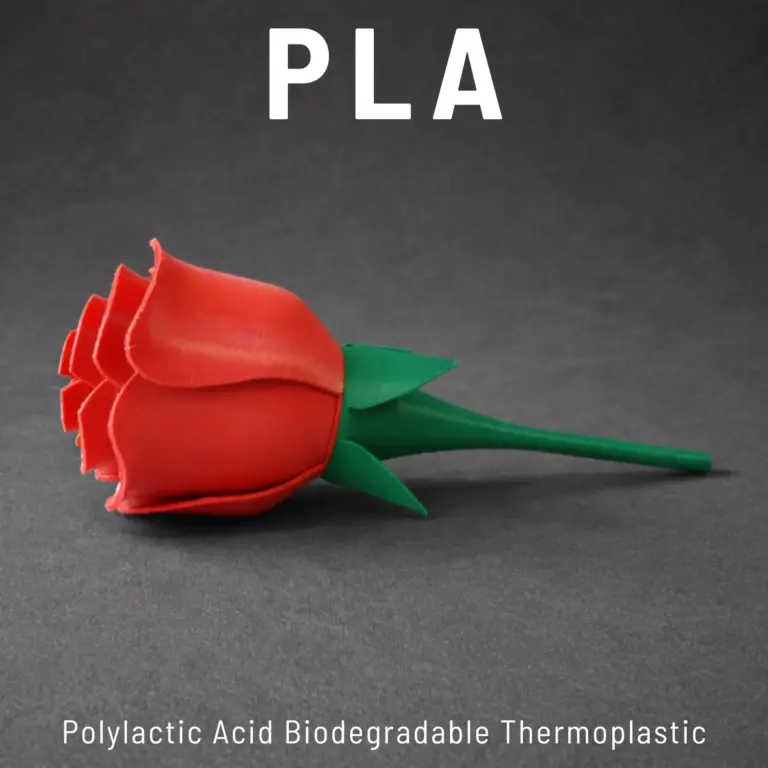
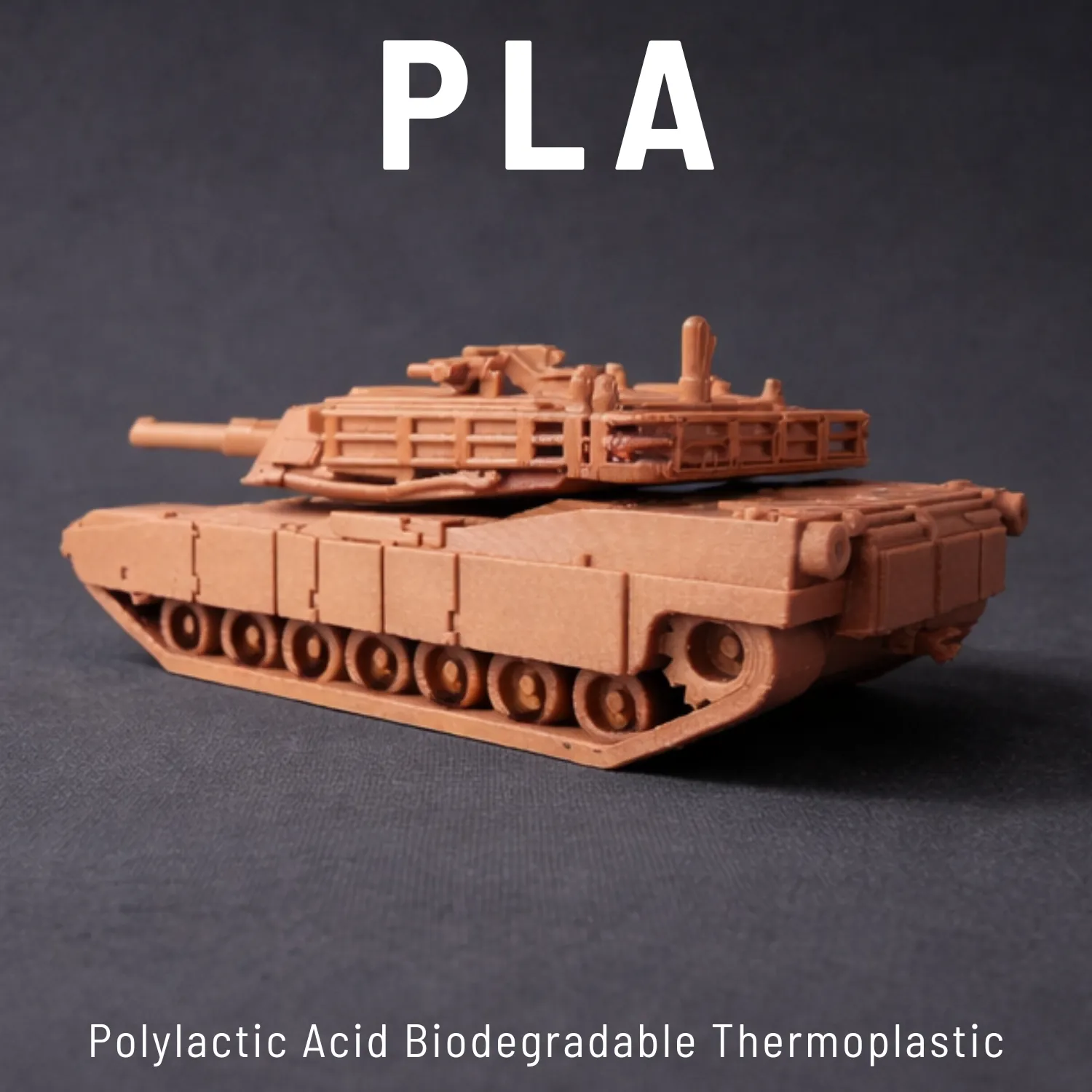
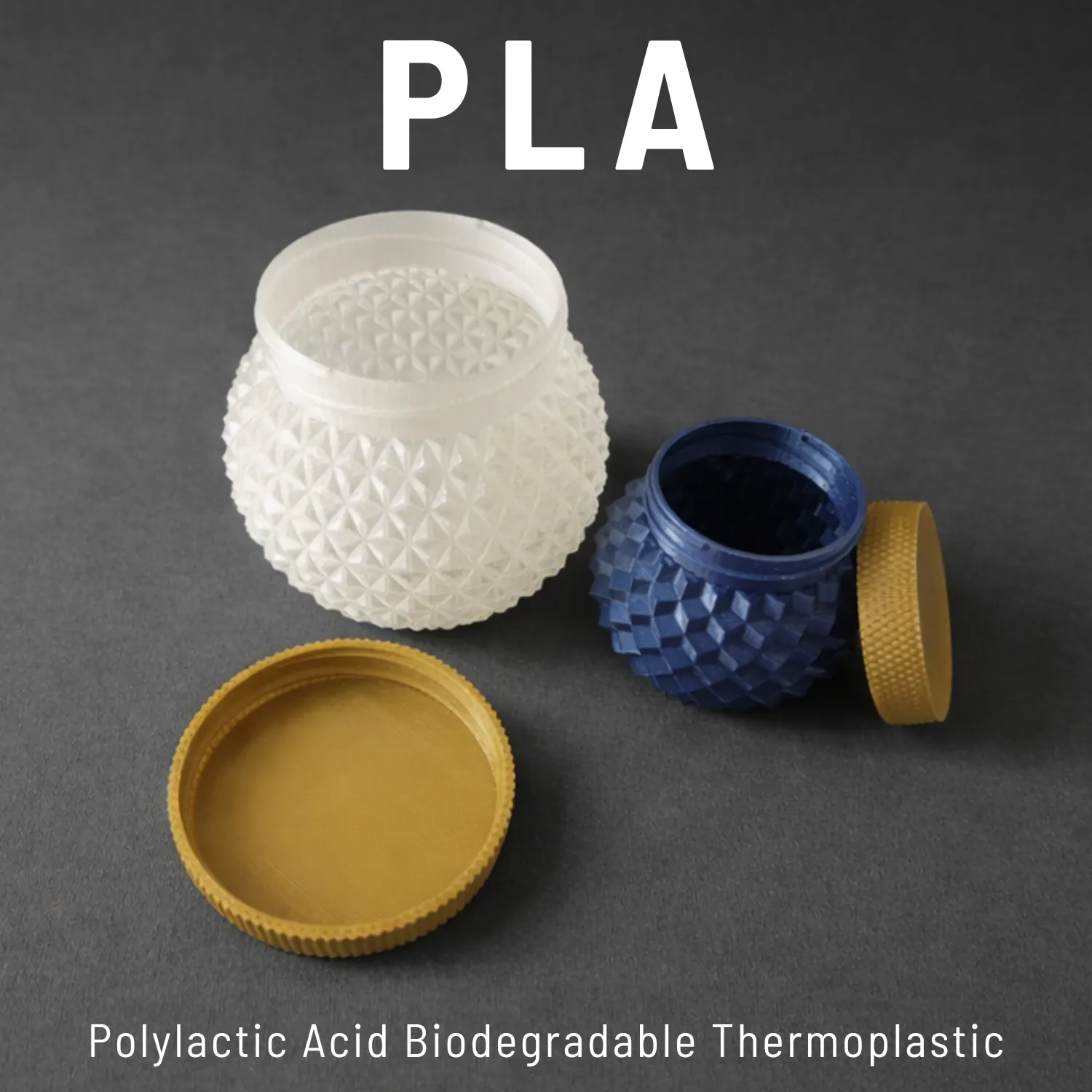
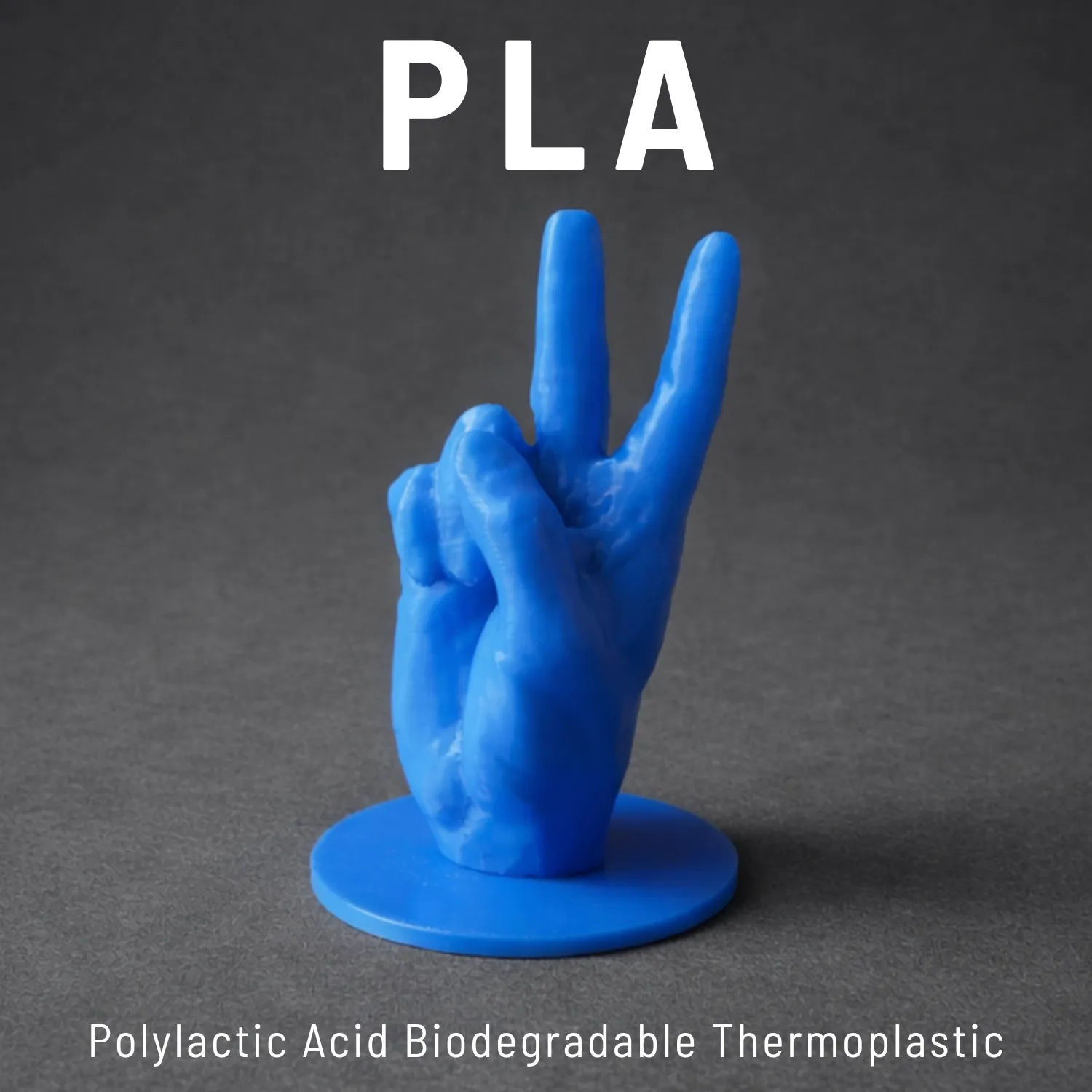
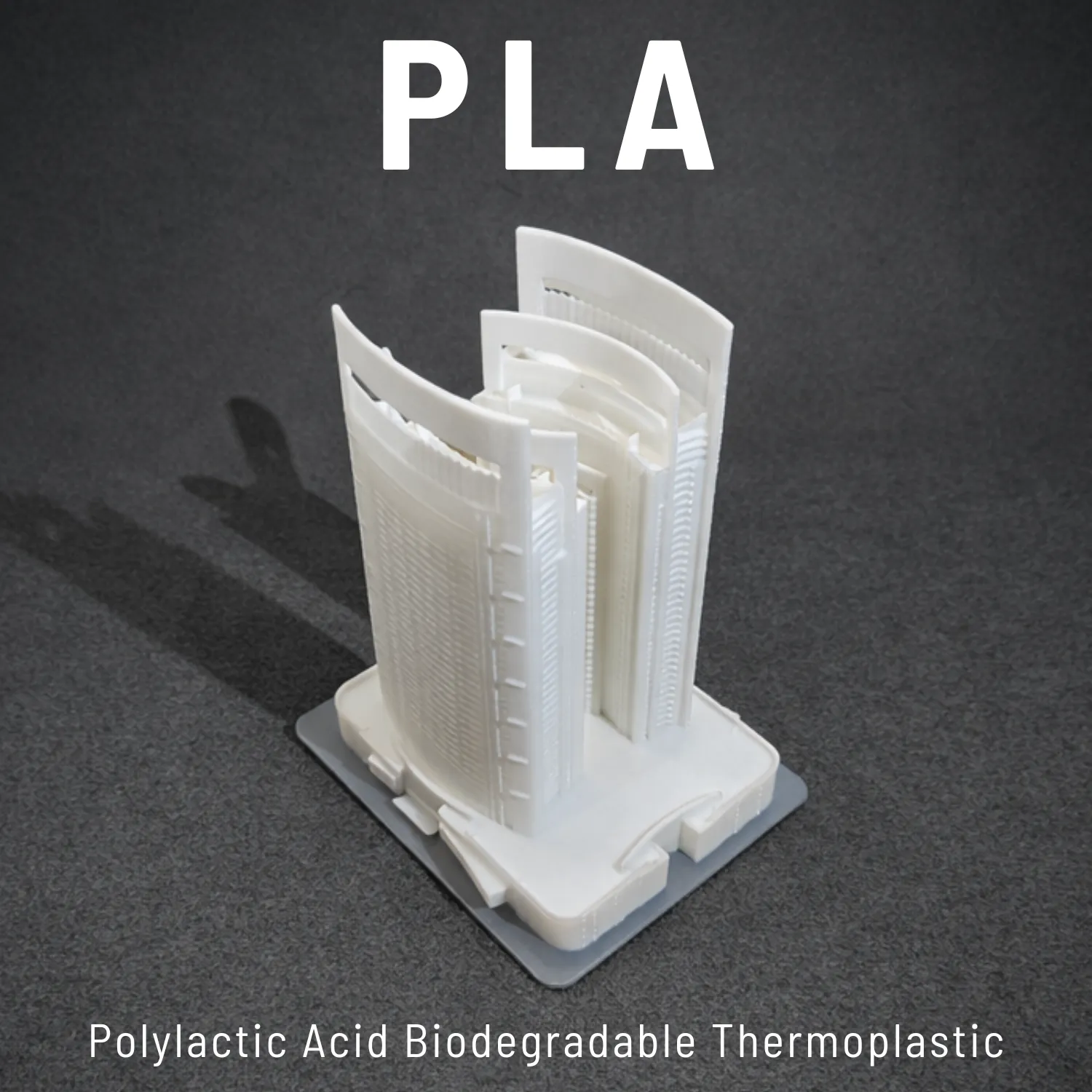
Polylactic Acid Biodegradable Thermoplastic
PLA
PLA (Polylactic Acid) is one of the most widely used materials in 3D printing, especially in FDM 3D printing technology. Known for its smooth surface finish, high detail accuracy, and consistent quality, PLA is a preferred choice for professional 3D printed models. In the 3D printing industry, PLA stands out for its visual precision, material stability in indoor environments, and wide range of available colors and finishes. It remains a leading material for clients seeking high-quality 3D printing solutions with strong aesthetic performance and reliable results.
The Usage of PLA Materials
- Architectural scale models.
- Presentation and concept prototypes.
- Exhibition and display models.
- Figurines and collectible characters.
- Interior decorative pieces.
- Educational models and student projects.
- Non-functional visual mockups.
- Custom gifts and personalized display items.
PROS
Clean Surface & High Detail
Produces sharp edges and fine details, ideal for professional-looking models.
Wide Range of Colors & Finishes
Available in matte, glossy, marble, wood-like, silk, and more.
Lightweight Material
Suitable for large models or hanging pieces without excessive weight.
Great for Indoor Use
Maintains its shape and appearance in normal indoor environments.
Visually Attractive for Display Pieces
Perfect for decorative objects, presentation models, and collectible figures.
CONS
Low Heat Resistance
Can deform when exposed to high temperatures (e.g., inside a parked car).
Relatively Brittle
May crack or break under strong impact.
Not Ideal for Long-Term Outdoor Use
Prolonged sun and heat exposure can weaken the material.
Limited Mechanical Strength
Not suitable for load-bearing or heavily functional parts.
Non-Flexible
Not appropriate for parts requiring bending or shock absorption.
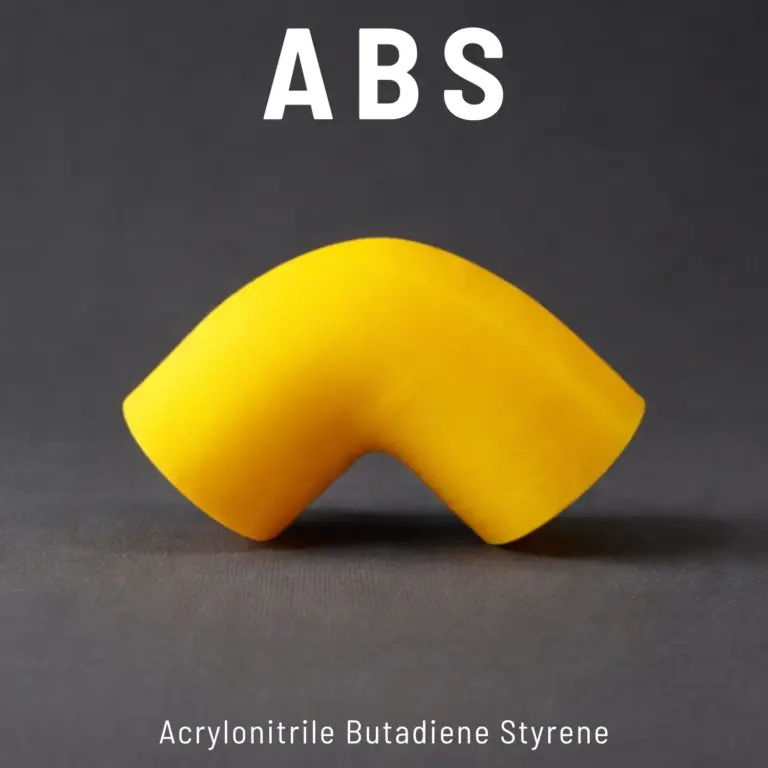
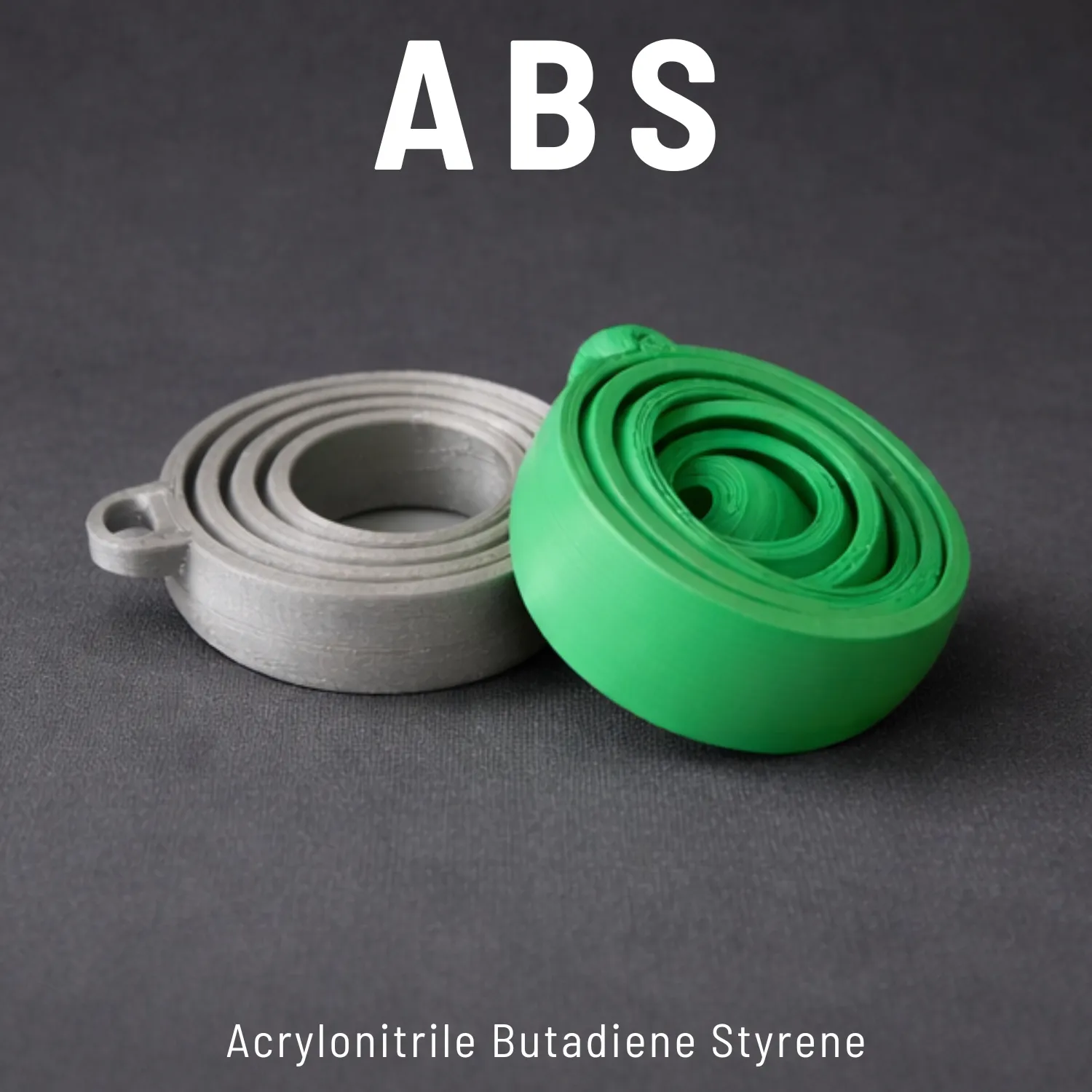
Acrylonitrile Butadiene Styrene
ABS
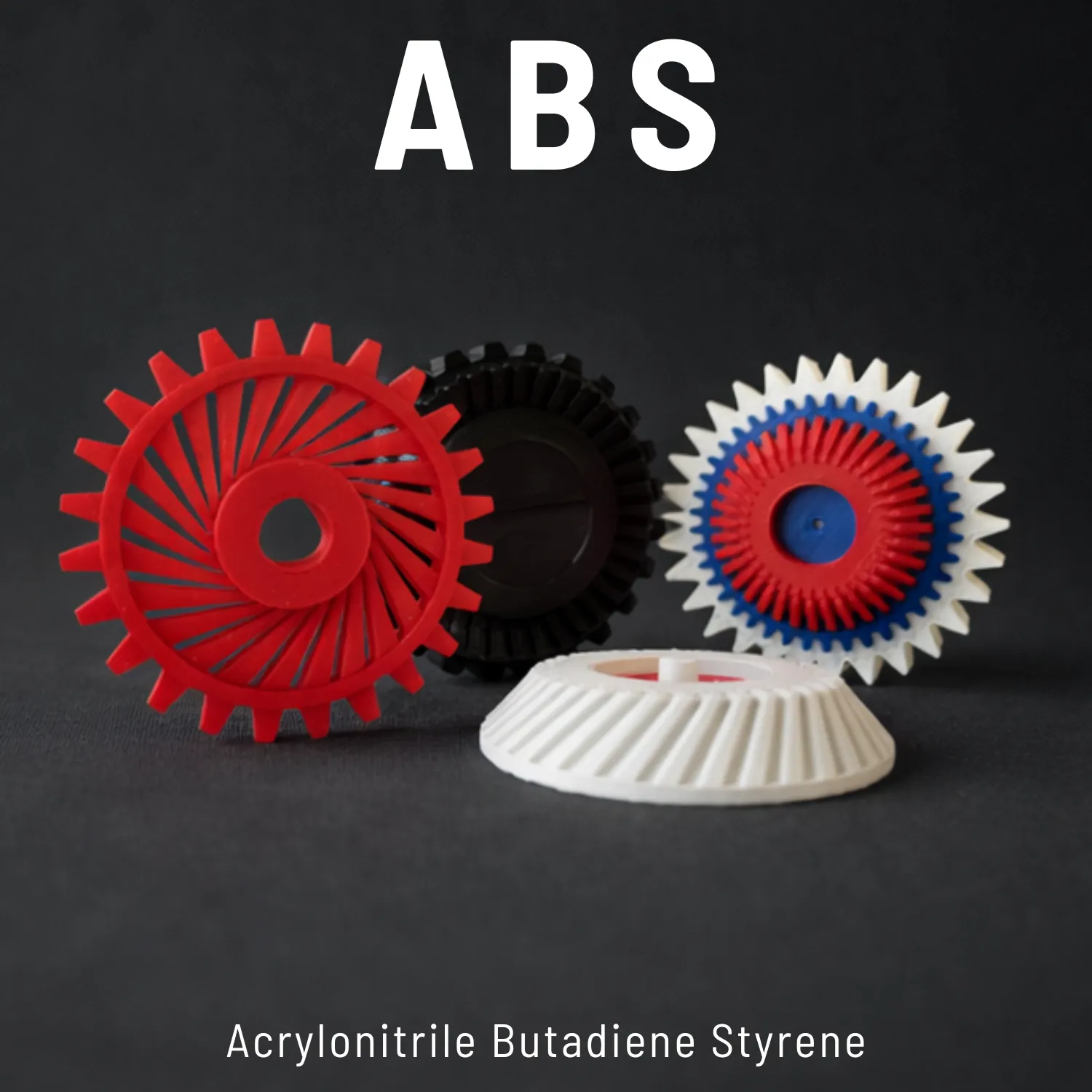
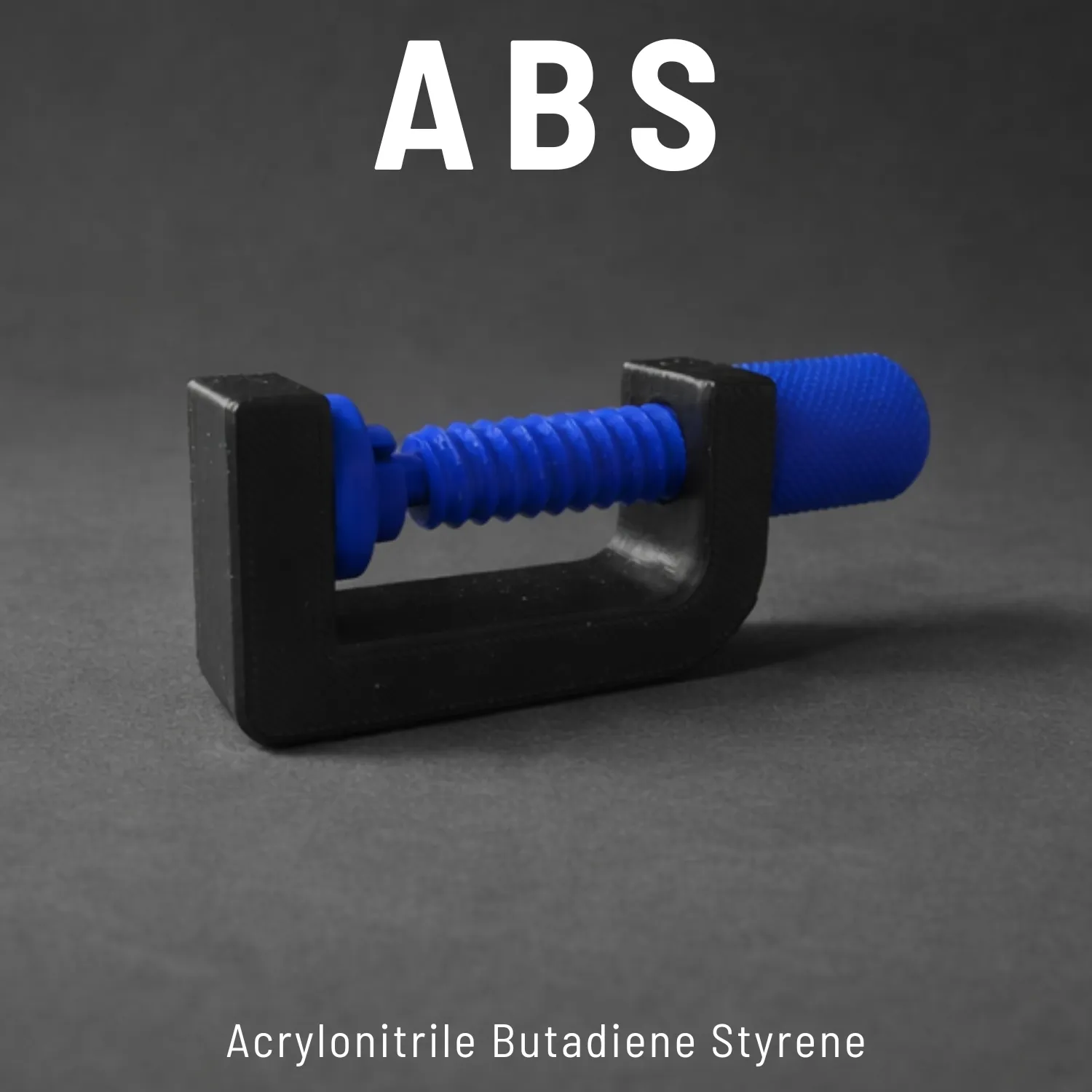
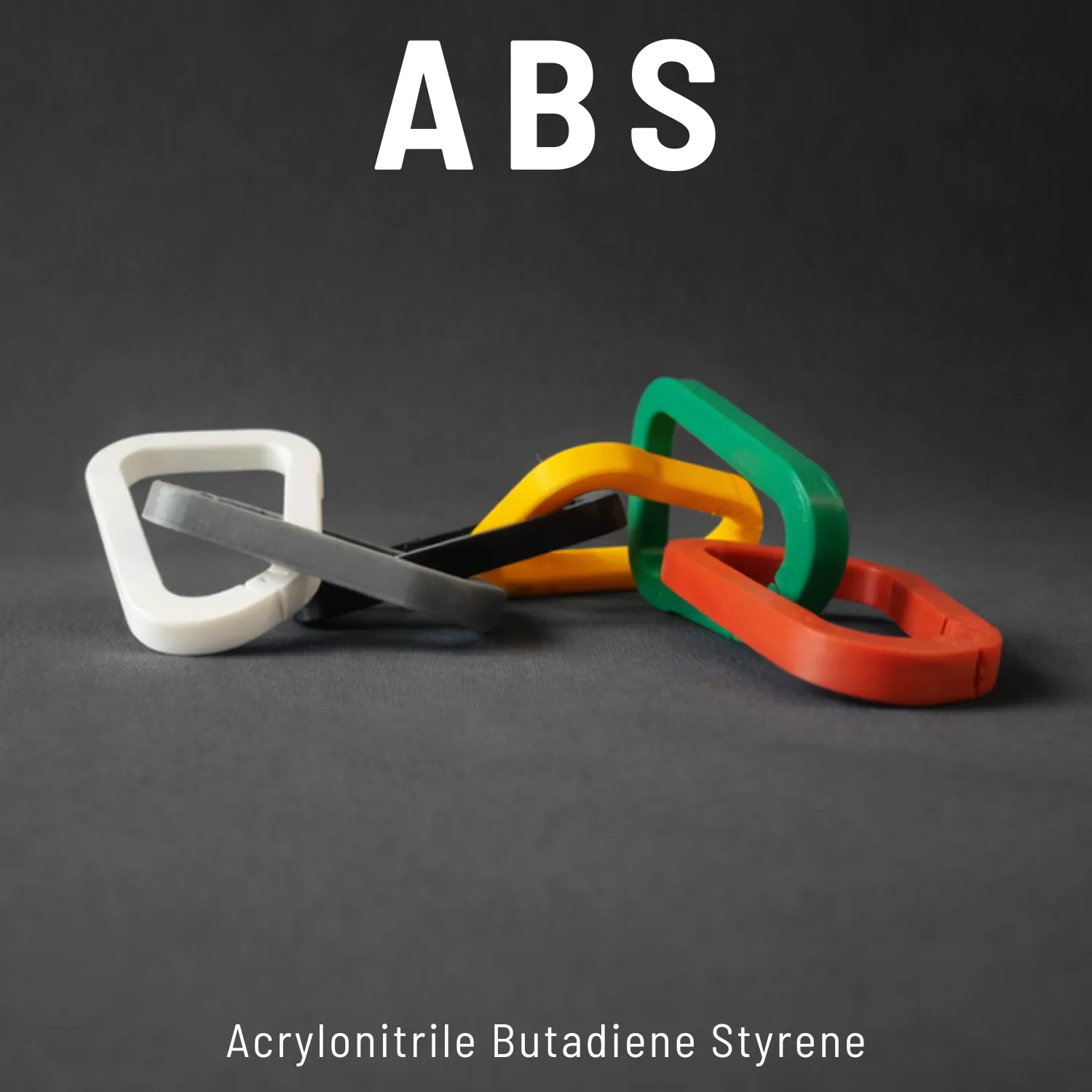
ABS (Acrylonitrile Butadiene Styrene) is a high-performance material widely used in professional 3D printing for functional and engineering-grade parts. Known for its strength, impact resistance, and higher heat tolerance compared to PLA, ABS is a preferred choice in FDM 3D printing when durability is essential. In the 3D printing industry, ABS is valued for its mechanical reliability, structural stability, and industrial-grade performance. It remains a strong material option for clients seeking durable 3D printed components with long-term performance and solid structural integrity.
The Usage of ABS Materials
- Mechanical and structural components.
- Functional prototypes.
- Enclosures and protective housings.
- Automotive-related parts.
- Brackets and mounting systems.
- Tool handles and industrial fixtures.
- Engineering parts requiring heat resistance.
- Durable snap-fit and assembly components.
PROS
High Mechanical Strength
Durable and suitable for functional, load-bearing parts.
Good Heat Resistance
Performs better than PLA and PETG in high-temperature environments.
Strong Impact Resistance
Less likely to crack under pressure or impact.
Professional Industrial Look
Commonly used in commercial and manufactured plastic products.
Suitable for Post-Processing
Can be sanded, painted, or finished for a refined final appearance.
CONS
Surface May Appear More Industrial Than Decorative
Not always ideal for premium aesthetic display models.
Heavier Feel Compared to PLA
Slightly denser material in larger prints.
Limited Decorative Variants
Fewer artistic finishes compared to specialty PLA options.
Can Discolor Over Long Sun Exposure
Prolonged UV exposure may affect appearance over time.
Lower UV Resistance
Extended outdoor exposure to direct sunlight can cause fading, surface degradation, or reduced long-term durability unless properly treated or coated.
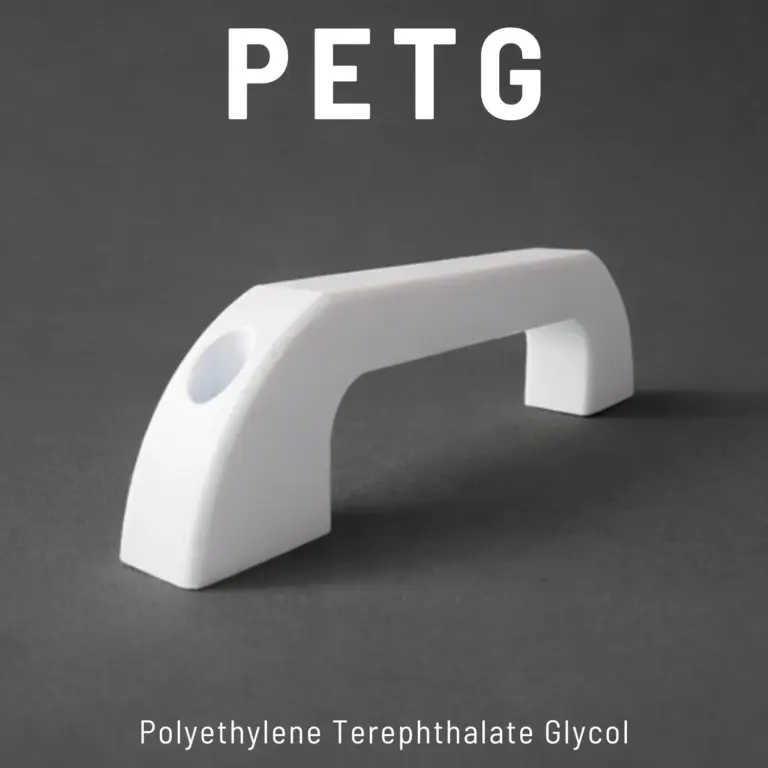
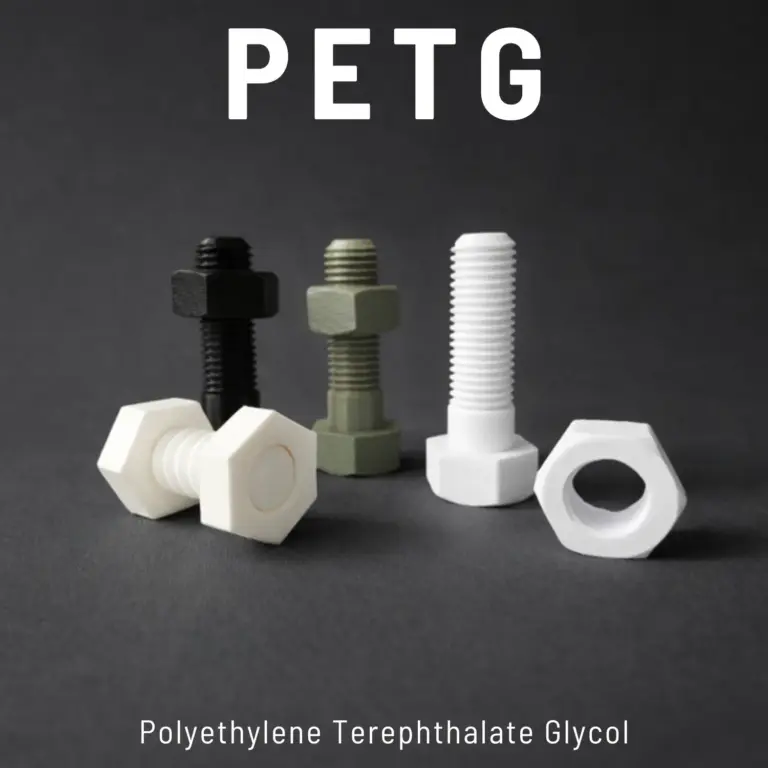
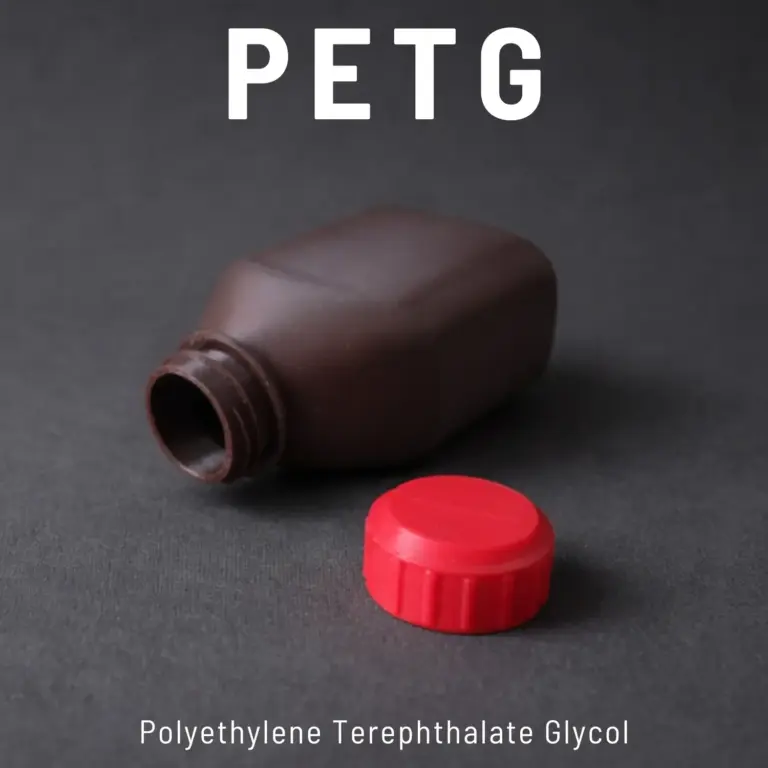
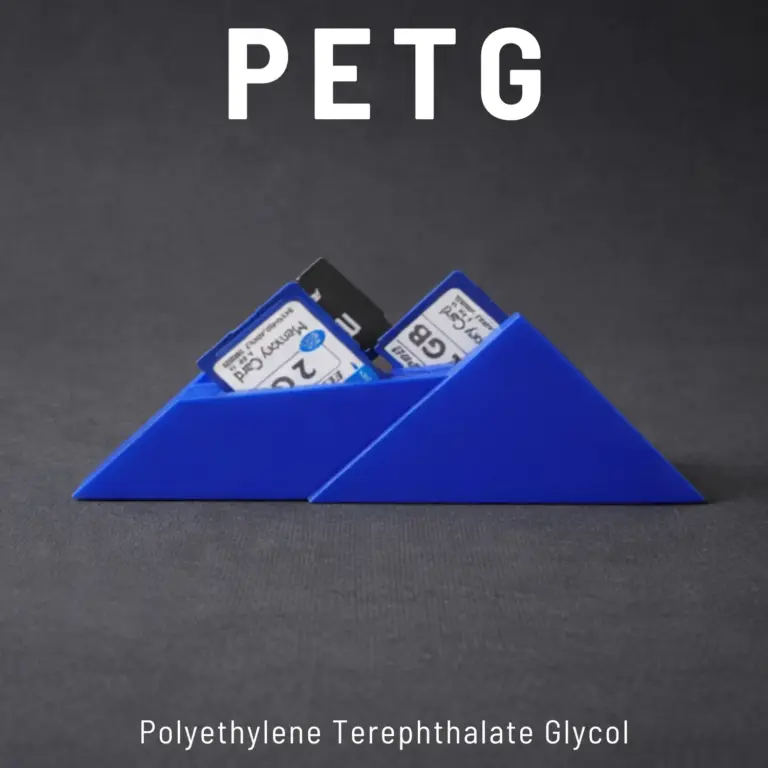
Polyethylene Terephthalate Glycol
PETG
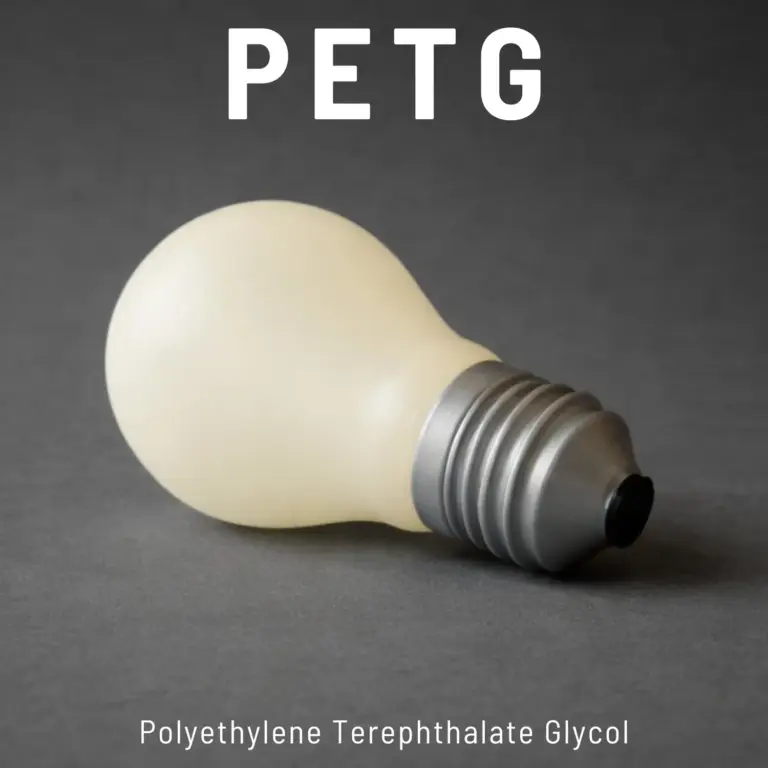
PETG is a durable and versatile material widely used in professional 3D printing and FDM 3D printing applications. Known for its strong impact resistance, moderate flexibility, and improved heat performance compared to PLA, PETG is a reliable choice for functional 3D printed parts. In the 3D printing industry, it is valued for its structural strength, clean surface finish, and long-term durability, making it a dependable material for high-quality 3D printing solutions.
The Usage of PETG Materials
- Functional mechanical parts.
- Protective covers and casings.
- Brackets and support components.
- Semi-transparent or light-diffusing parts.
- Outdoor-use components.
- Industrial holders and fixtures.
- Containers and storage elements.
- Prototypes requiring strength and moderate flexibility.
PROS
High Impact Resistance
Stronger and more durable than PLA, less likely to crack under stress.
Better Heat Resistance
Maintains shape better in warmer environments compared to PLA.
Good Chemical & Moisture Resistance
Suitable for parts exposed to humidity or light chemicals.
Slight Flexibility Without Breaking
Offers a clean and slightly glossy appearance, including transparent options.
Semi-Gloss, Professional Finish
Offers a clean and slightly glossy appearance, including transparent options.
CONS
Surface May Show More Layer Texture
Not as naturally smooth-looking as PLA for highly detailed display pieces.
Less Rigid Than PLA
May feel slightly flexible in thin sections.
Limited Premium Decorative Finishes
Fewer specialty aesthetic variations compared to PLA (e.g., marble, silk).
Can Scratch More Easily Than ABS
Surface may show marks with heavy handling.
Not Ideal for Ultra-Fine Miniatures
Extremely small or delicate details may not look as crisp as resin.
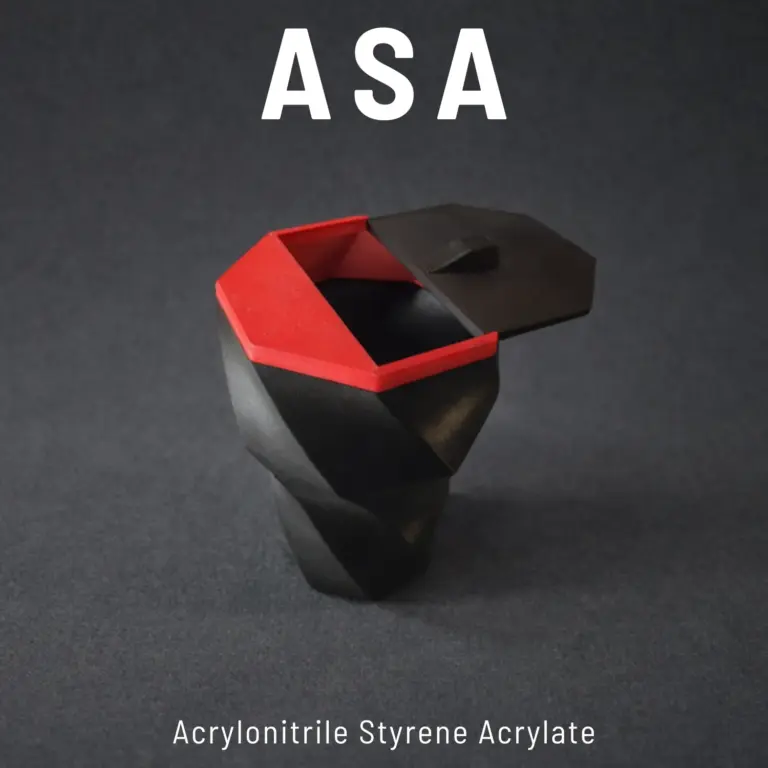
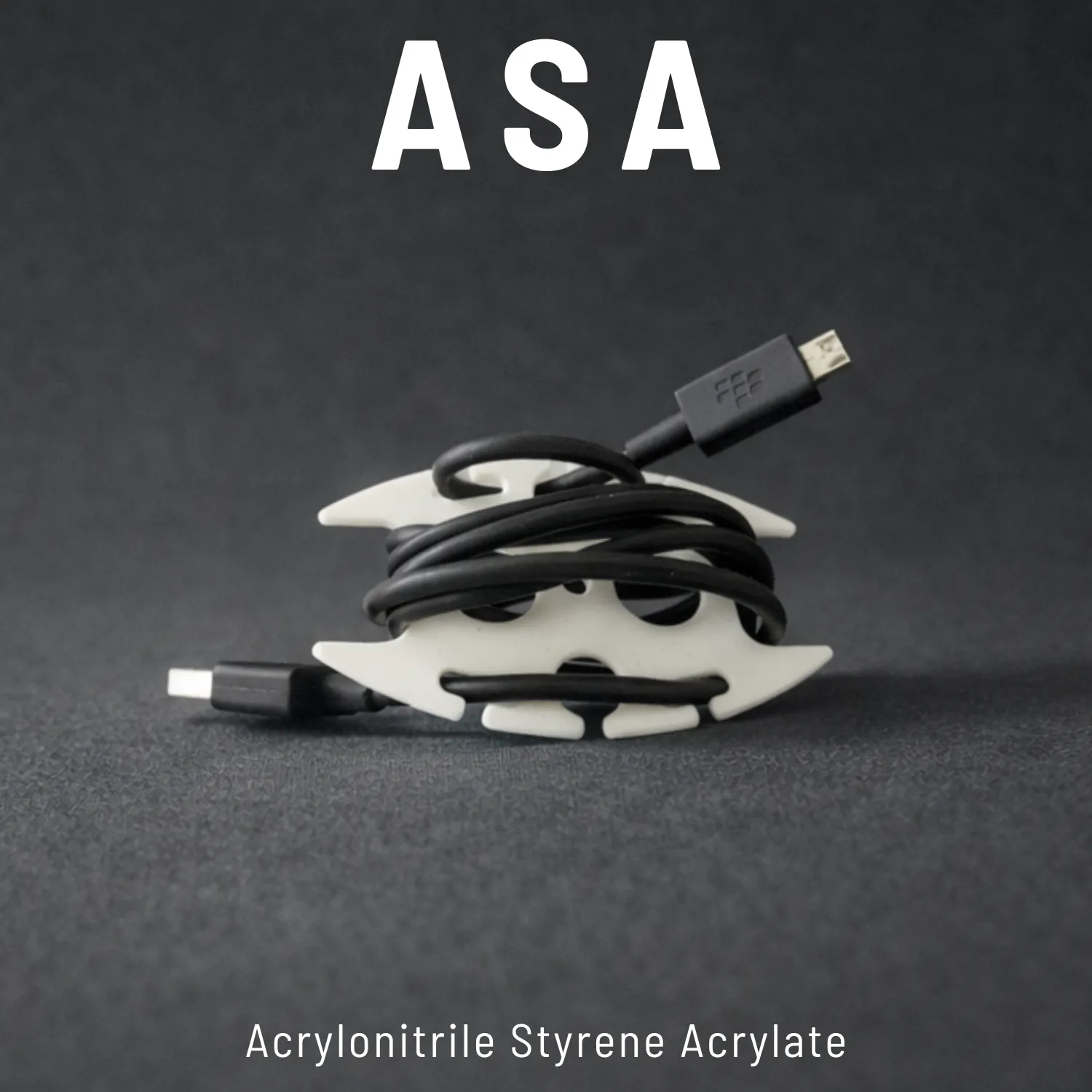
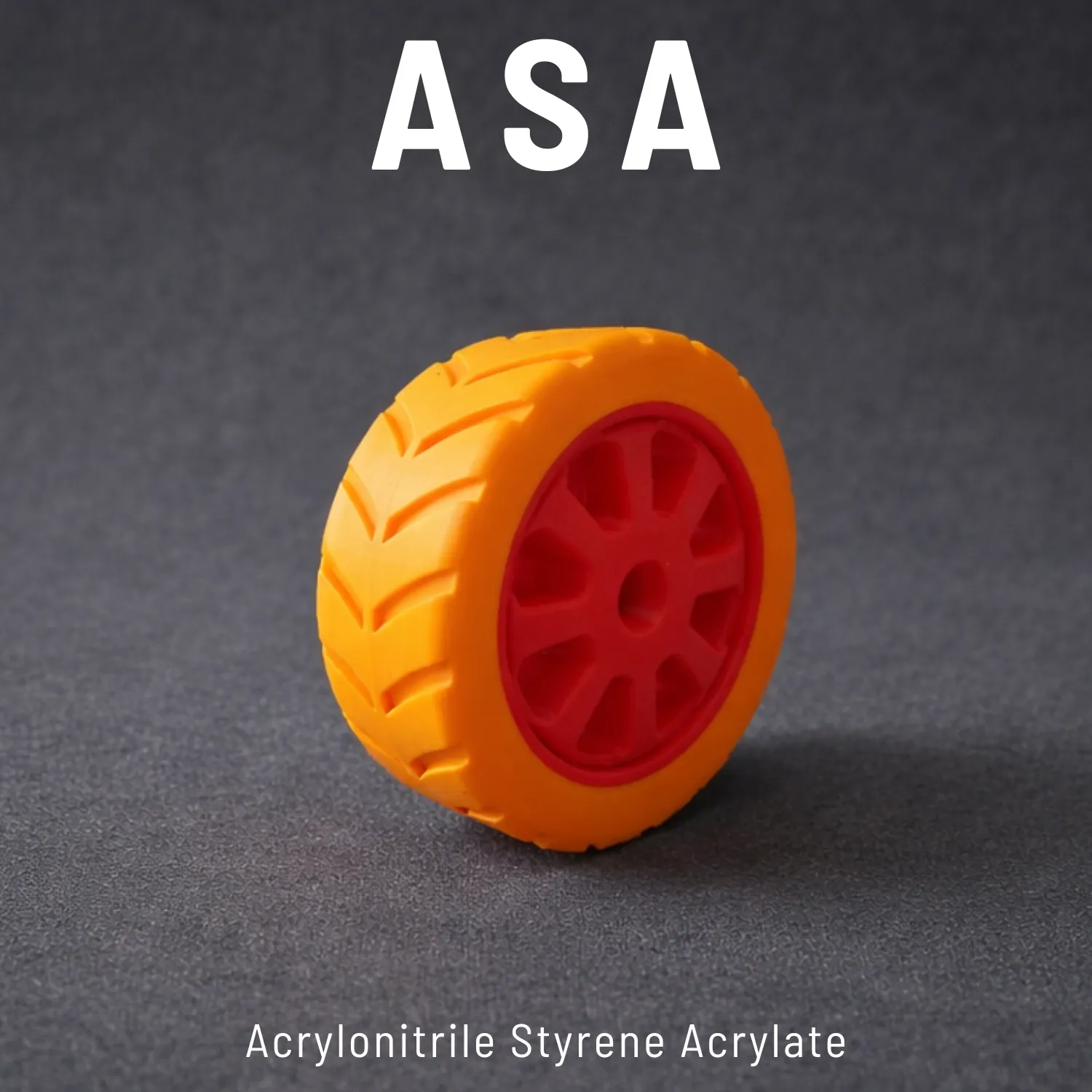
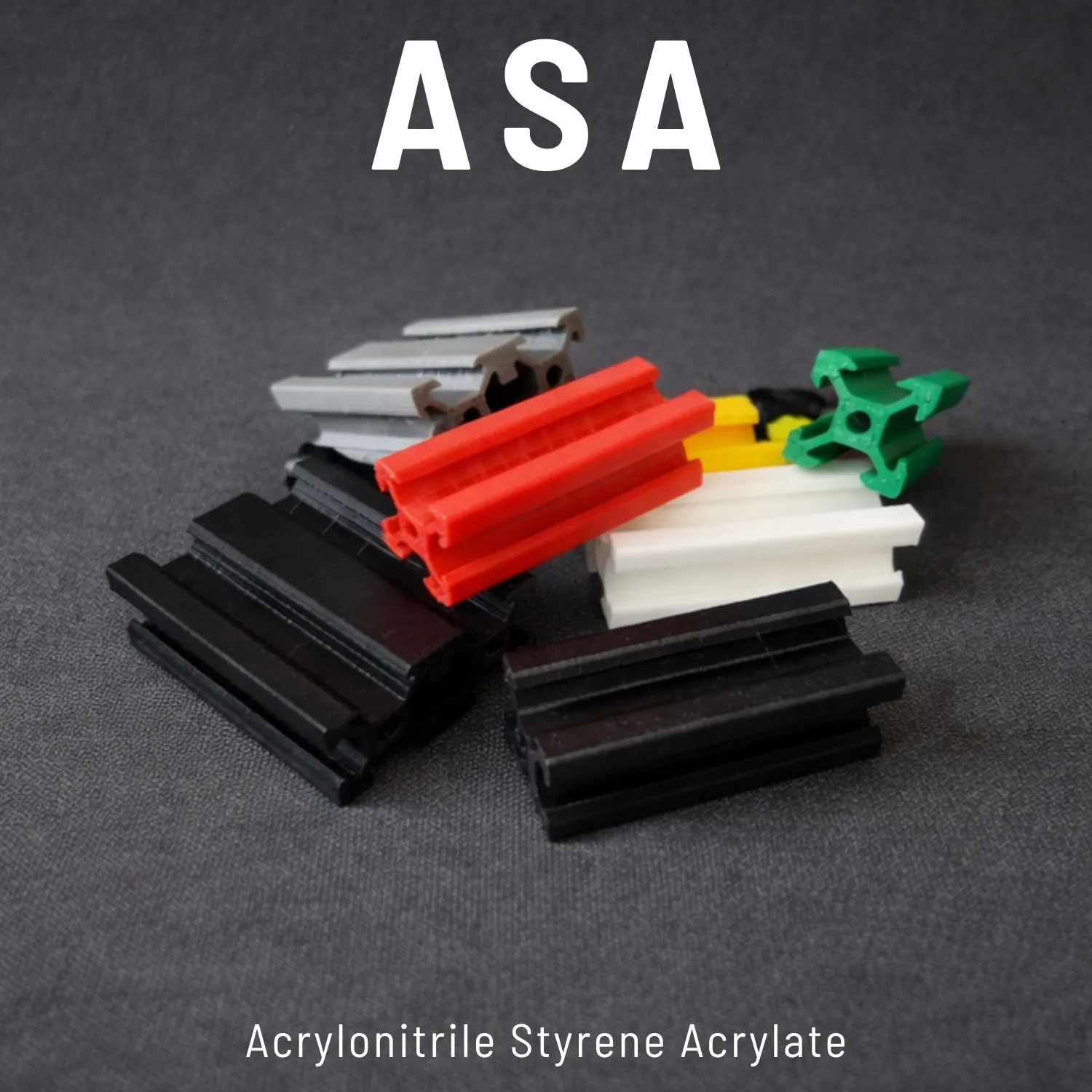
Acrylonitrile Styrene Acrylate
ASA
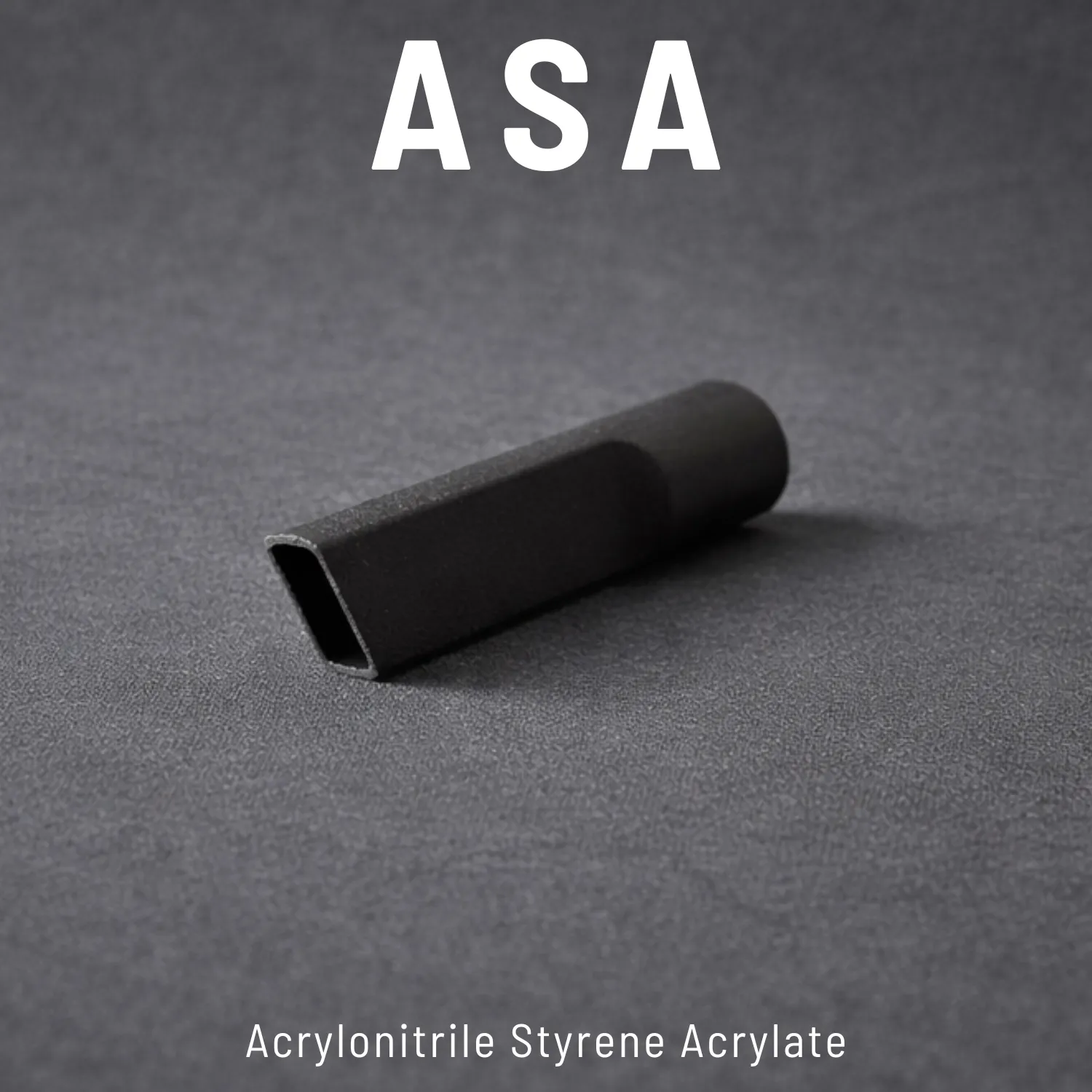
ASA is a high-performance material widely used in professional 3D printing and FDM 3D printing for outdoor applications. Known for its excellent UV resistance, weather durability, and strong mechanical properties, ASA is ideal for 3D printed parts exposed to sunlight and harsh environments. In the 3D printing industry, it is valued for long-term color stability, heat resistance, and reliable structural performance.
The Usage of ASA Materials
- Outdoor signage and lettering.
- Exterior architectural elements.
- Automotive exterior components.
- Weather-resistant enclosures.
- Outdoor brackets and mounting systems.
- Electrical housings exposed to sunlight.
- Garden and landscape fixtures.
- Functional parts requiring UV and weather resistance.
PROS
Excellent UV Resistance
Maintains color and strength under long-term sunlight exposure.
High Weather Resistance
Performs well in outdoor environments (rain, heat, humidity).
Strong & Impact Resistant
Suitable for durable, functional components.
Good Heat Resistance
More stable in high temperatures compared to PLA and PETG.
Long-Term Color Stability
Maintains its original color appearance over time, even with continuous outdoor exposure.
CONS
More Industrial Look Than Decorative
Not ideal for premium display models or fine artistic miniatures.
Limited Aesthetic Variations
Fewer specialty finishes compared to decorative PLA materials.
Heavier Feel Compared to PLA
Denser material in larger parts.
Higher Material Cost
Generally more expensive than PLA and PETG.
Less Rigid Than ABS in Some Applications
While strong and weather-resistant, certain structural parts may feel slightly less rigid compared to ABS in thick, load-focused components.
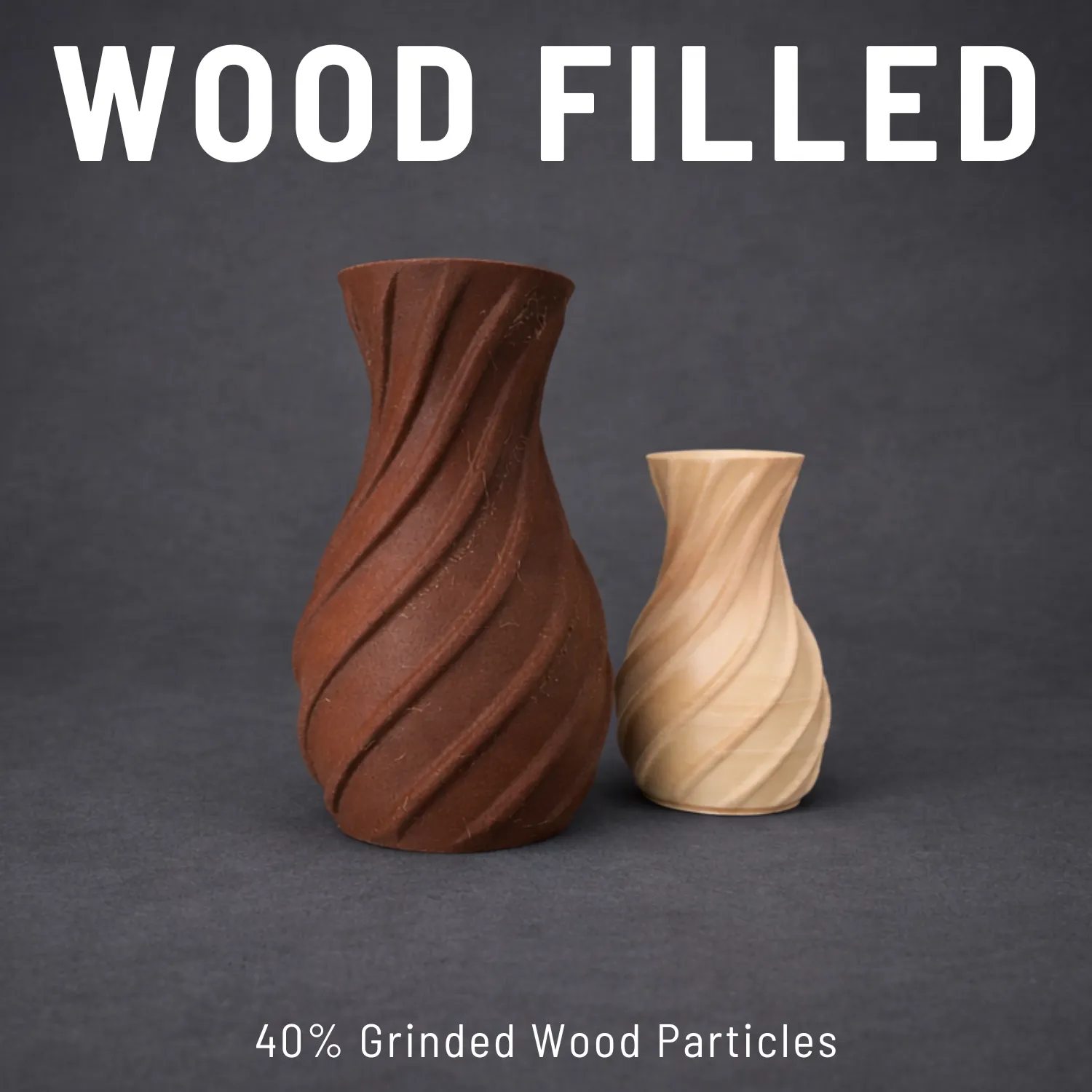
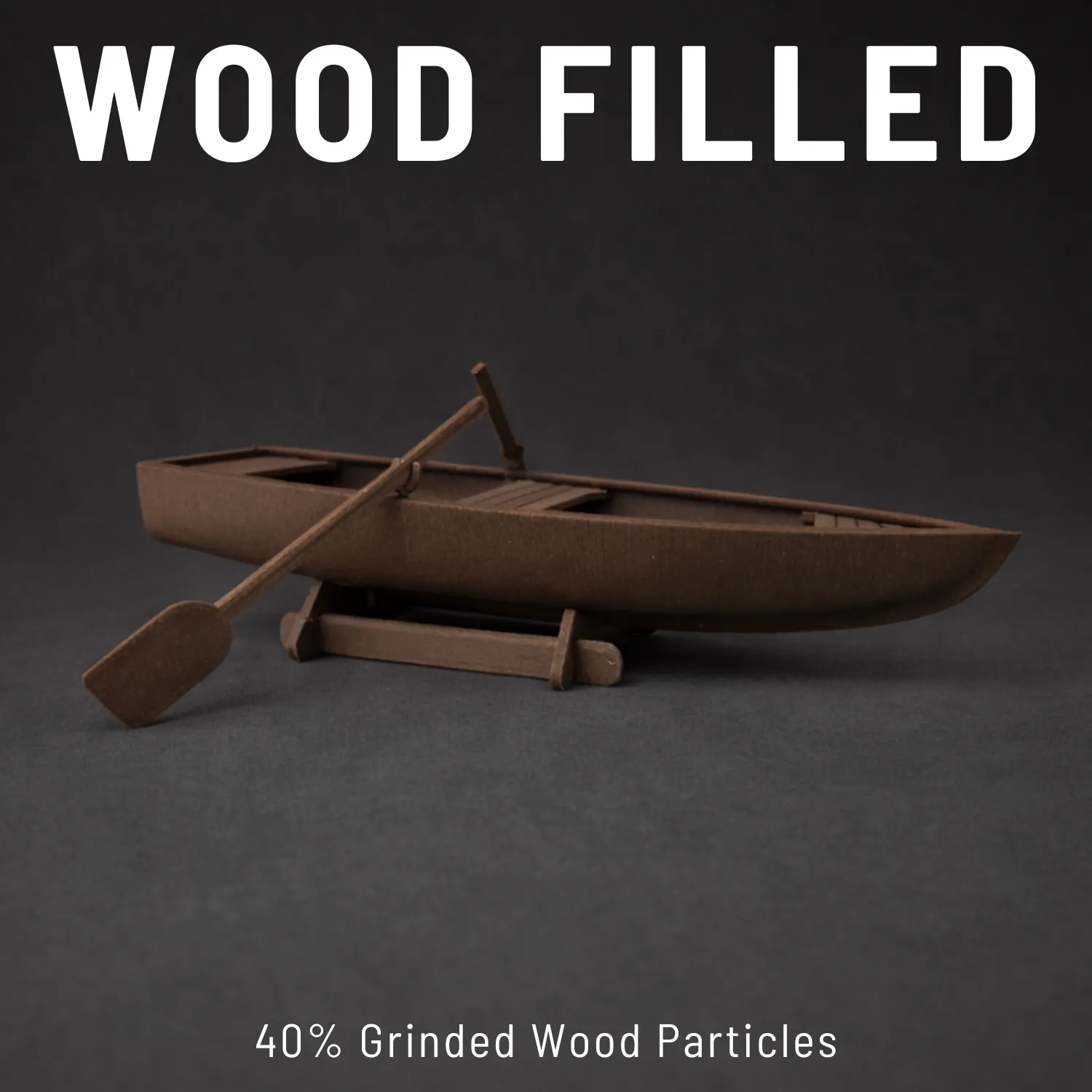
40% Grinded Wood Particles
WOOD FILLED
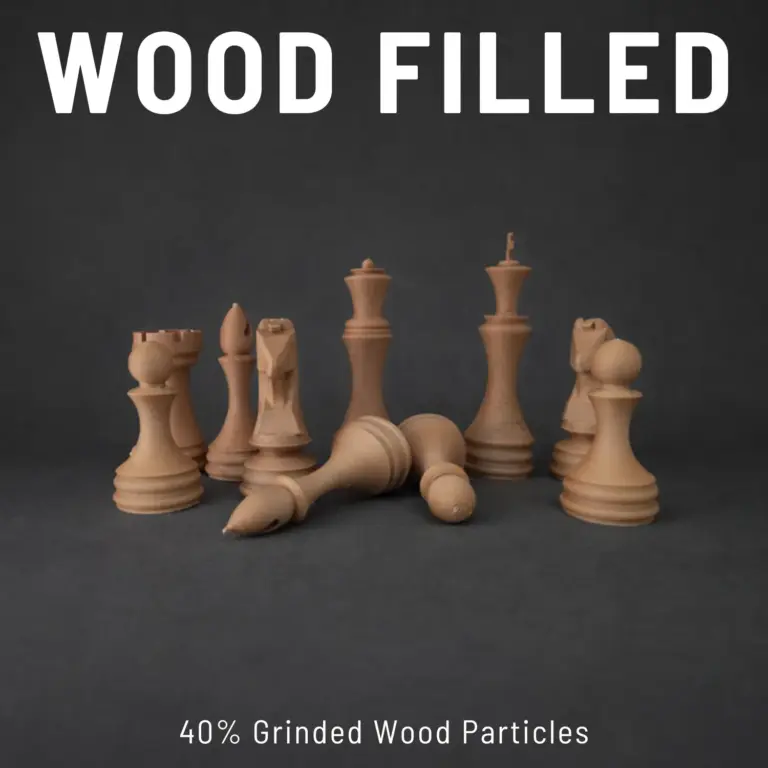
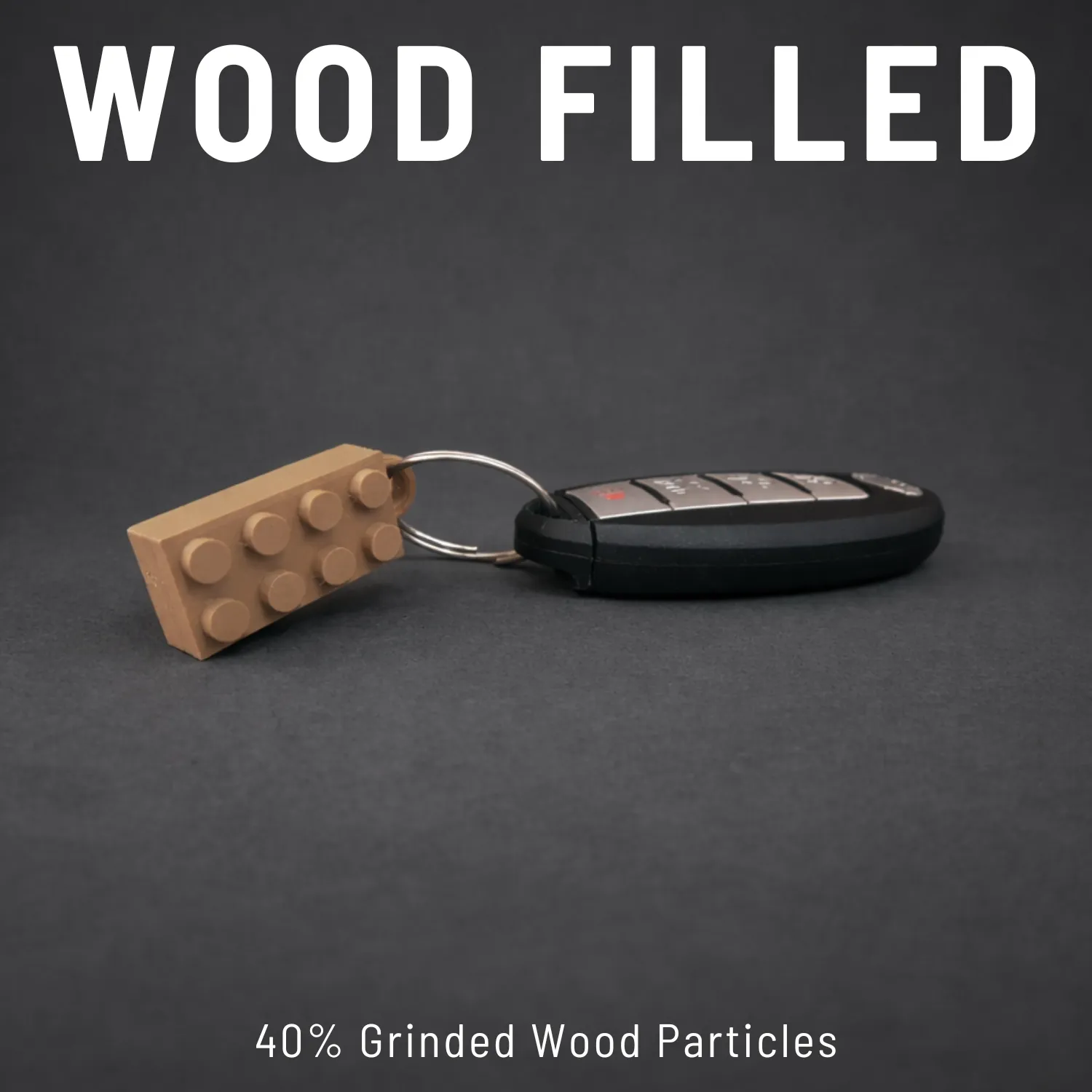
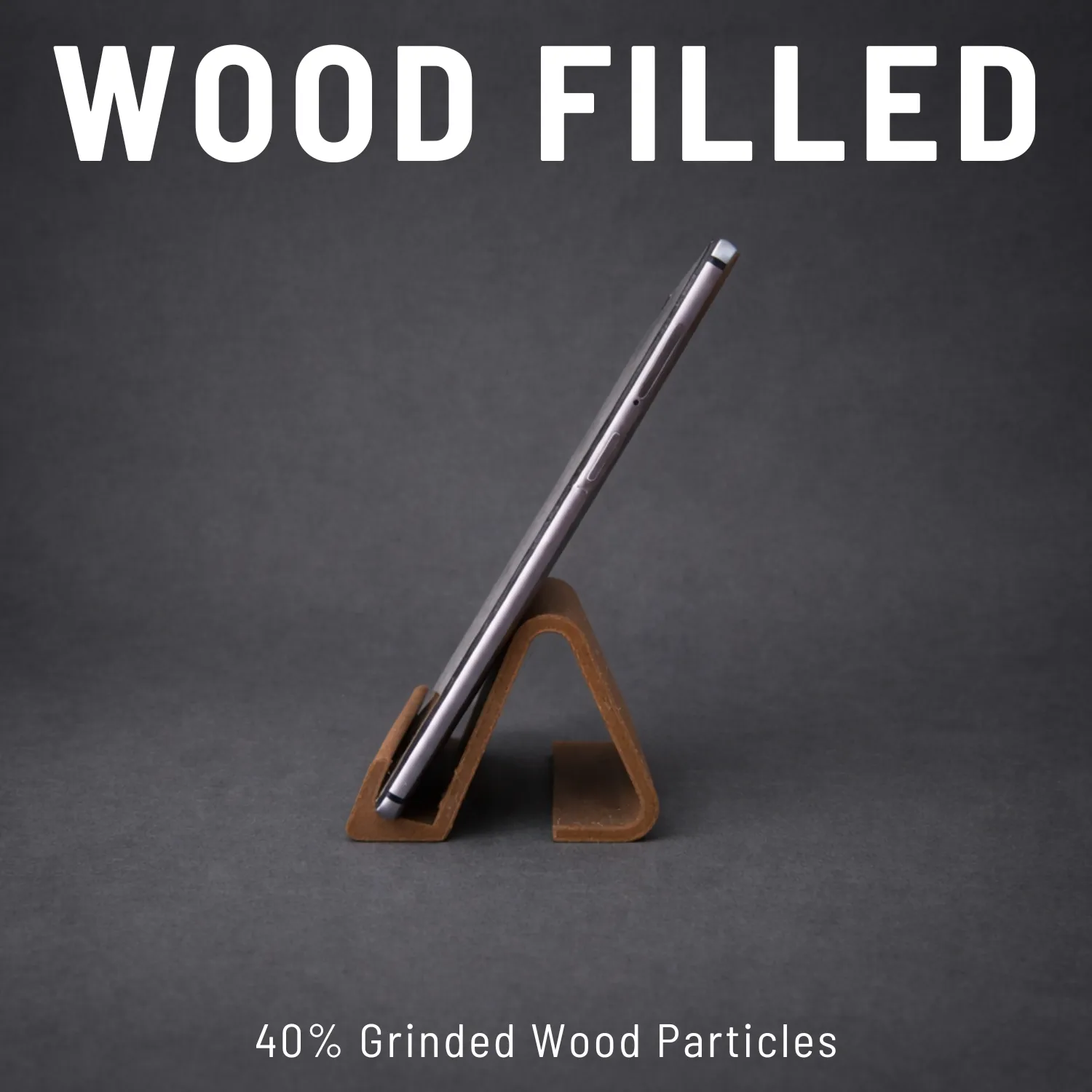
PLA Wood-Filled is a specialty material used in professional 3D printing that combines standard PLA with real wood fibers to create a natural, wood-like appearance. In FDM 3D printing, this material is valued for its unique texture, organic surface finish, and premium aesthetic quality. Within the 3D printing industry, PLA wood filament is a popular choice for projects that require a realistic wooden look while maintaining the precision and flexibility of additive manufacturing. It offers a distinctive visual character that stands out from traditional plastic materials, making it a refined option for high-quality 3D printed models with a natural design appeal.
The Usage of WOOD FILLED Materials
- Interior decorative elements.
- Artistic sculptures and display pieces.
- Architectural presentation details.
- Custom nameplates and signage.
- Trophies and awards.
- Premium packaging prototypes.
- Concept models with natural aesthetic.
- Decorative panels and design mockups.
PROS
Natural Wood Appearance
Contains real wood fibers, giving a warm, organic look similar to carved wood.
Unique Texture & Grain Effect
Subtle variations create a more realistic and less “plastic” feel.
Premium Decorative Aesthetic
Ideal for artistic pieces and interior décor with a natural theme.
Lightweight Compared to Solid Wood
Suitable for larger decorative elements without heavy weight.
Can Be Sanded for Enhanced Finish
Surface can be refined to achieve a smoother, more realistic wood-like look.
CONS
Lower Structural Strength
More decorative than functional; not suitable for load-bearing parts.
Sensitive to Moisture Over Time
Wood content may react to humidity if not properly sealed.
Limited Outdoor Durability
Not recommended for long-term exterior exposure.
Surface Can Be Slightly Brittle
Thin sections may chip more easily than standard PLA.
Color Range Is Limited
Mostly available in natural wood tones rather than vibrant colors.
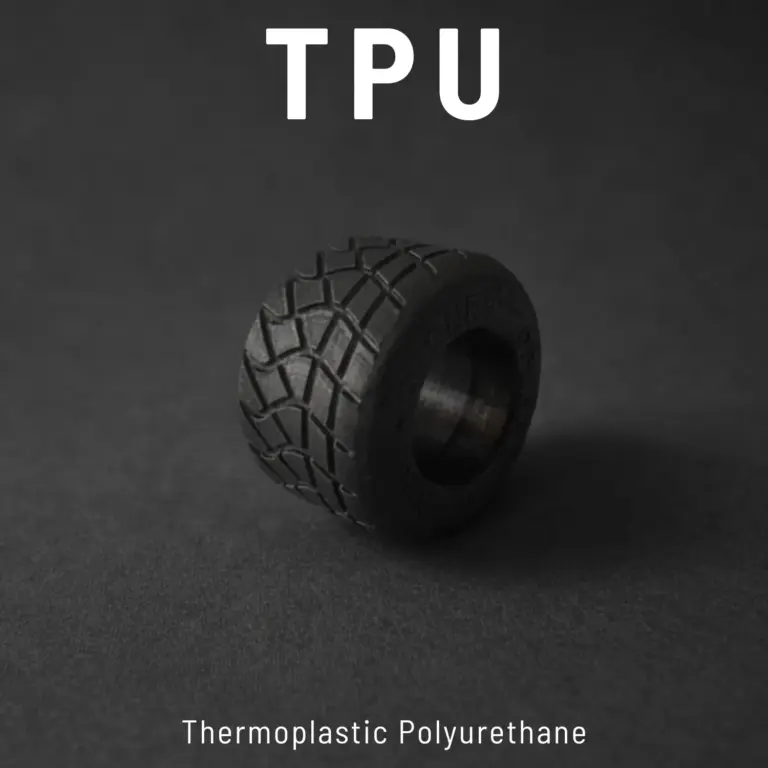
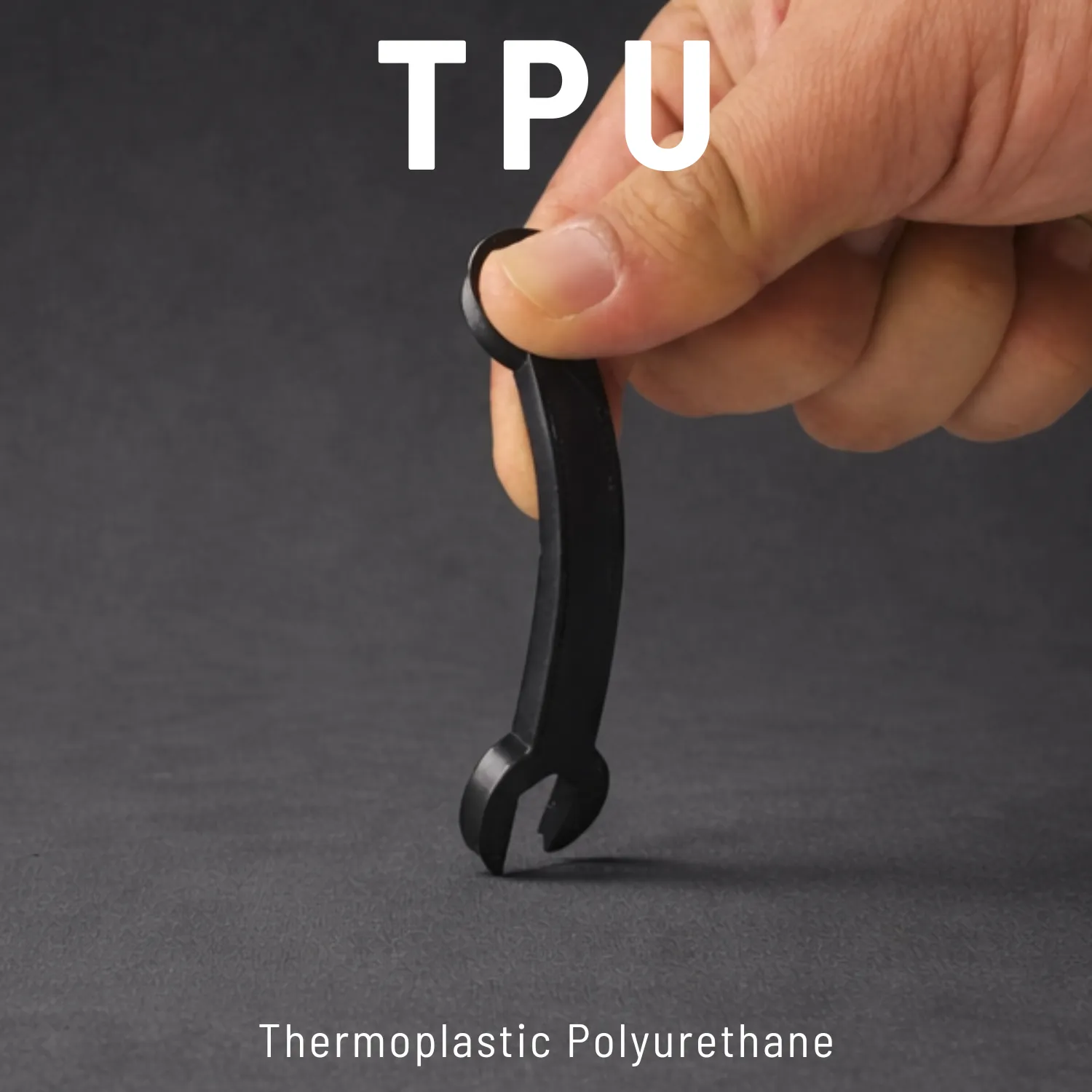
Thermoplastic Polyurethane
TPU
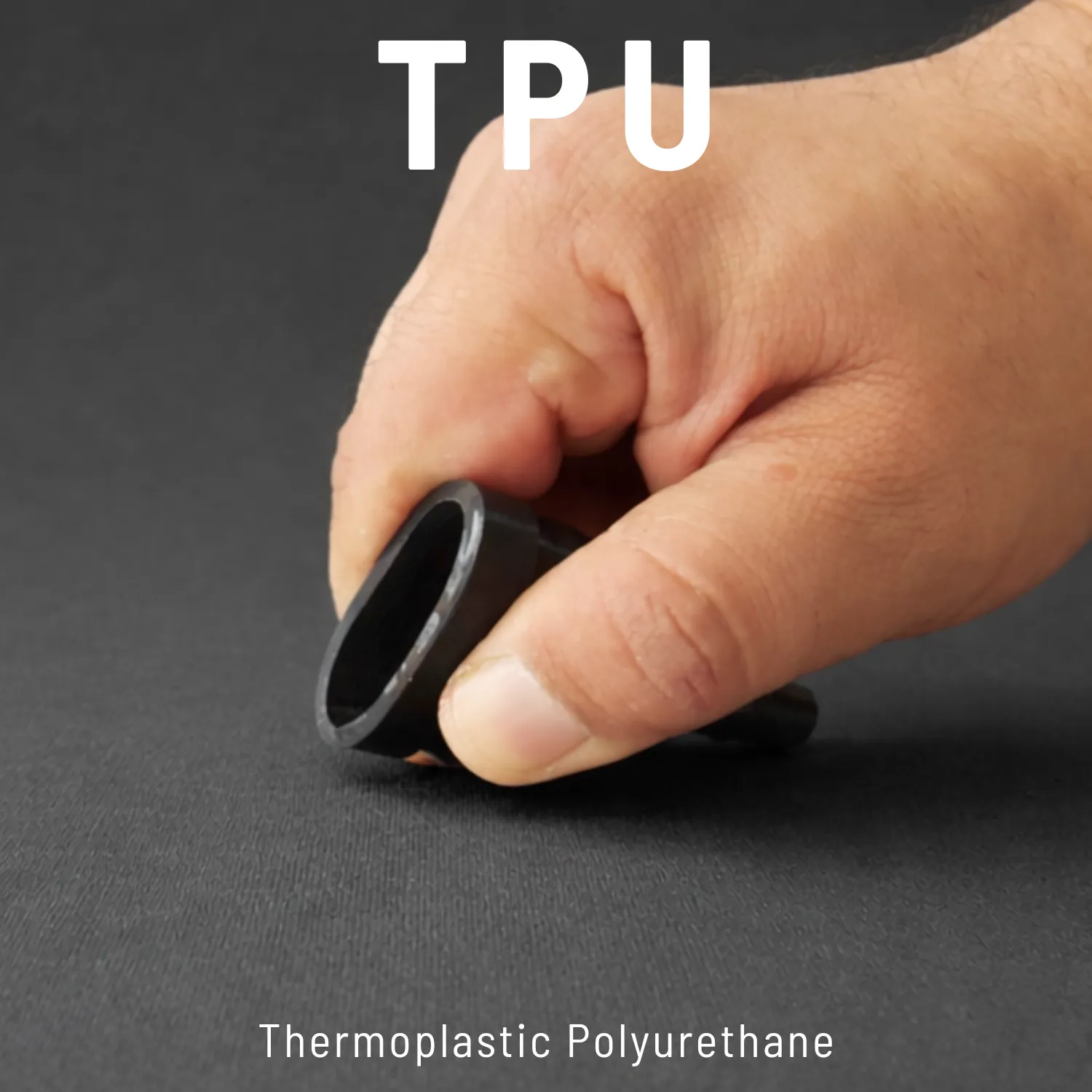
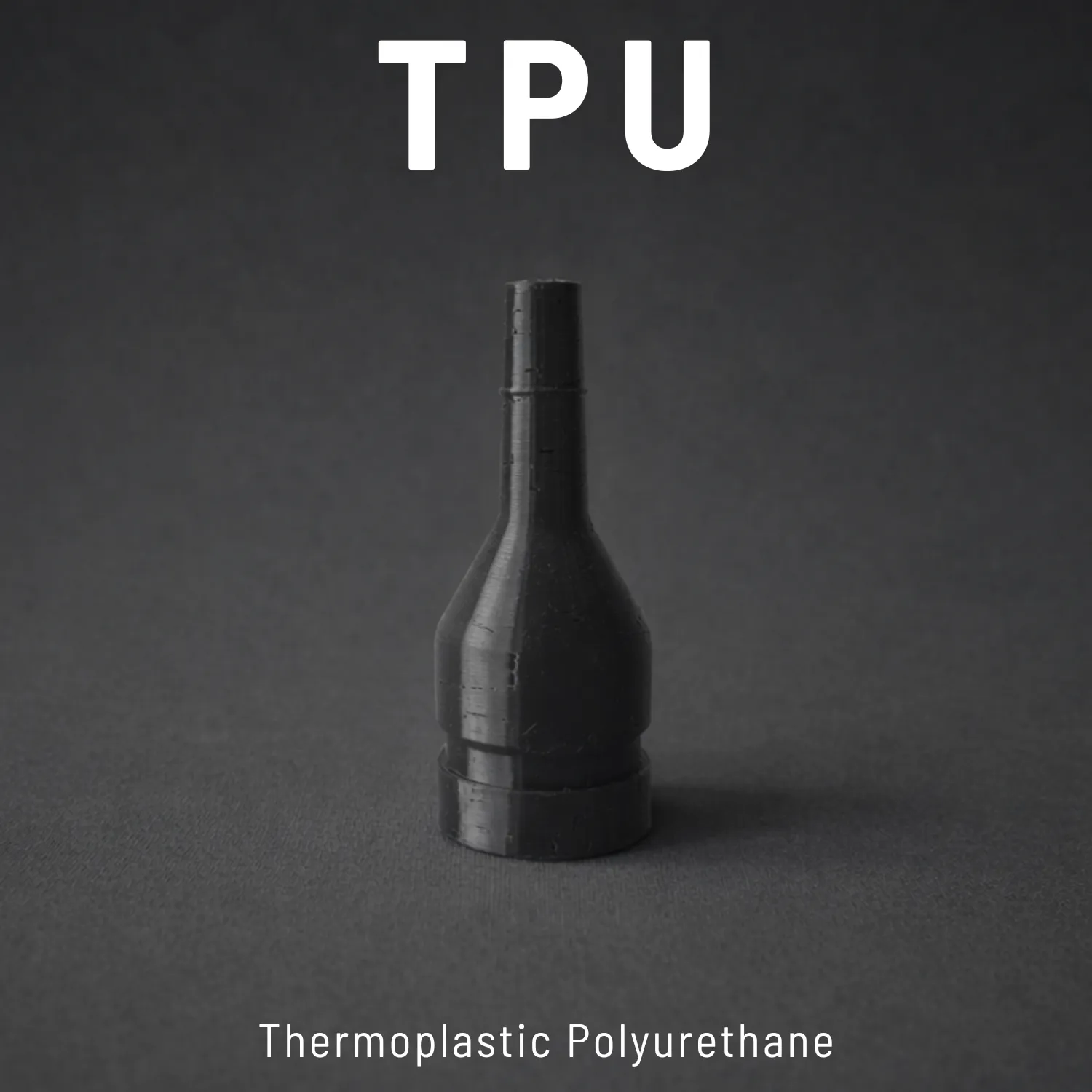
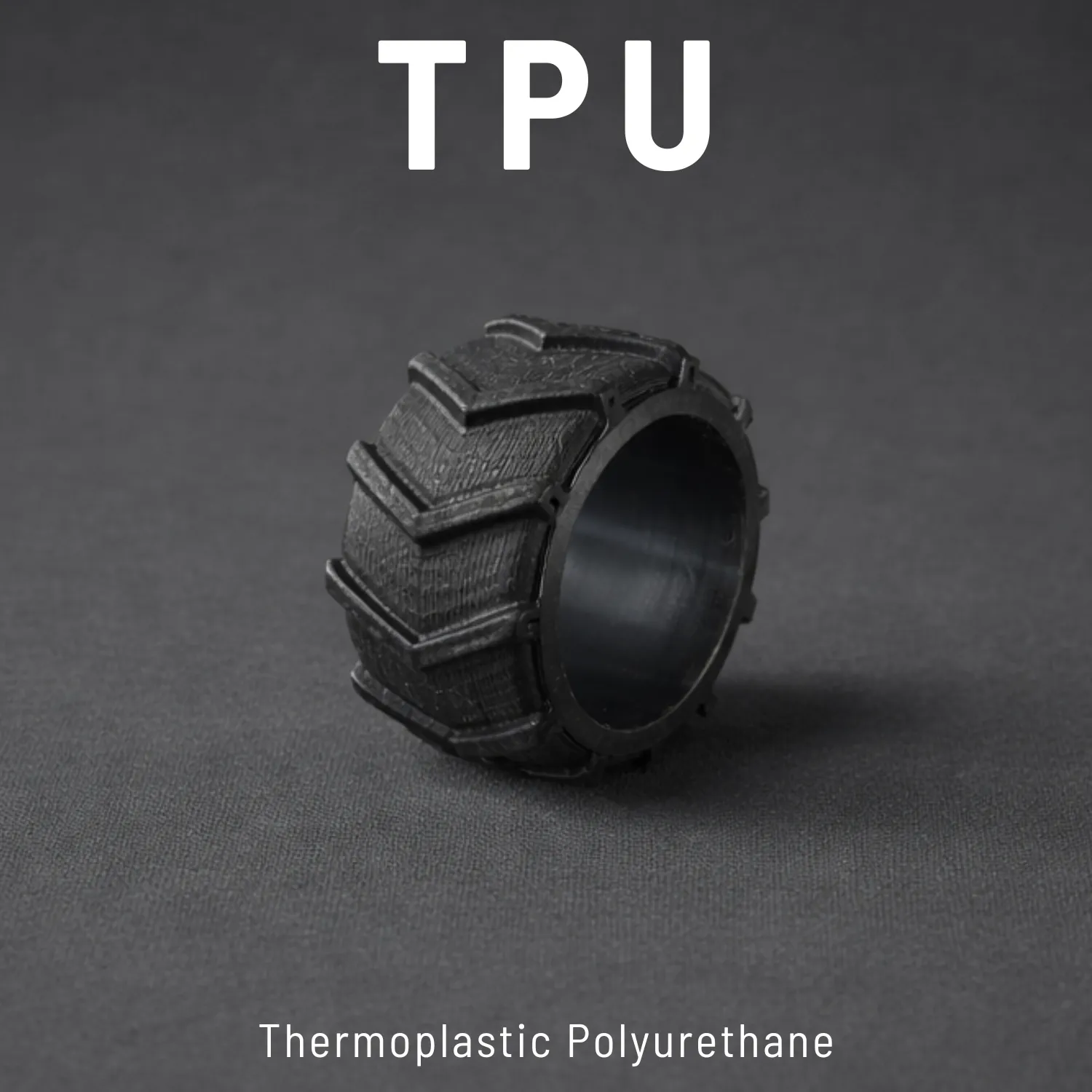
TPU (Thermoplastic Polyurethane) is a flexible, high-performance material used in professional 3D printing and FDM 3D printing applications that require elasticity and durability. Known for its rubber-like properties, strong impact resistance, and wear performance, TPU is widely valued in the 3D printing industry for producing flexible 3D printed parts with long-term resilience. It is a dependable material choice when strength, flexibility, and shock absorption are essential.
The Usage of TPU Materials
- Phone cases and protective covers.
- Gaskets and seals.
- Flexible joints and connectors.
- Shock absorbers and dampers.
- Wearable bands and straps.
- Soft grips and handles.
- Industrial vibration pads.
- Protective sleeves and bumpers.
PROS
Highly Flexible & Elastic
Can bend, stretch, and compress without breaking.
Excellent Impact Absorption
Ideal for protective parts that need shock resistance.
Strong Wear & Abrasion Resistance
Durable under friction and repeated movement.
Good Chemical & Oil Resistance
Suitable for industrial and mechanical environments.
Rubber-Like Professional Finish
Soft-touch surface, ideal for grips and protective covers.
CONS
Not Rigid
Unsuitable for structural or load-bearing parts.
Surface Detail Less Sharp Than Rigid Materials
Fine miniatures and crisp edges are not its strength.
Limited Decorative Appeal
More functional than aesthetic in appearance.
Can Attract Dust & Lint
Soft surface may collect particles more easily.
May Deform Under Continuous Heavy Load
Long-term pressure can cause permanent shape change.
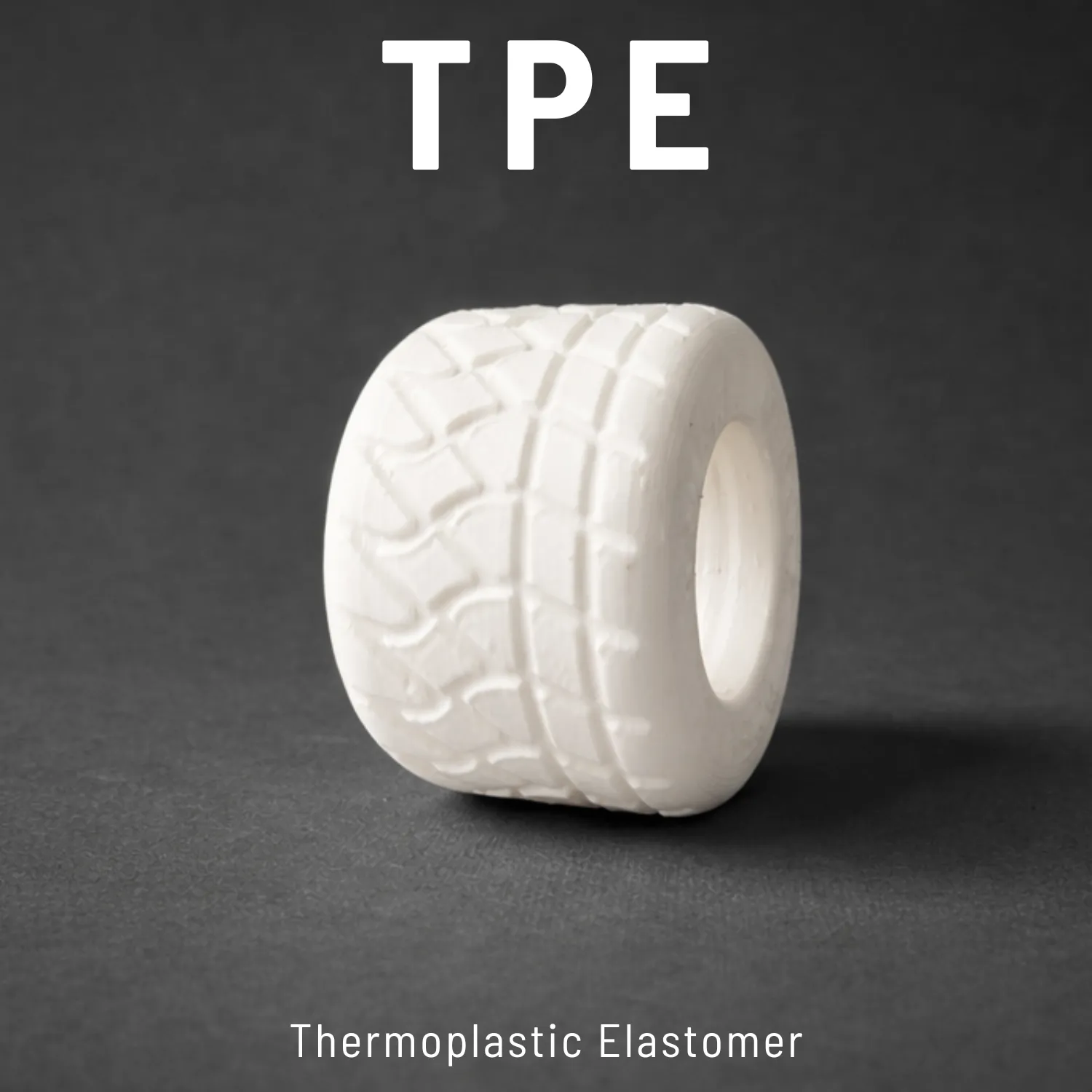
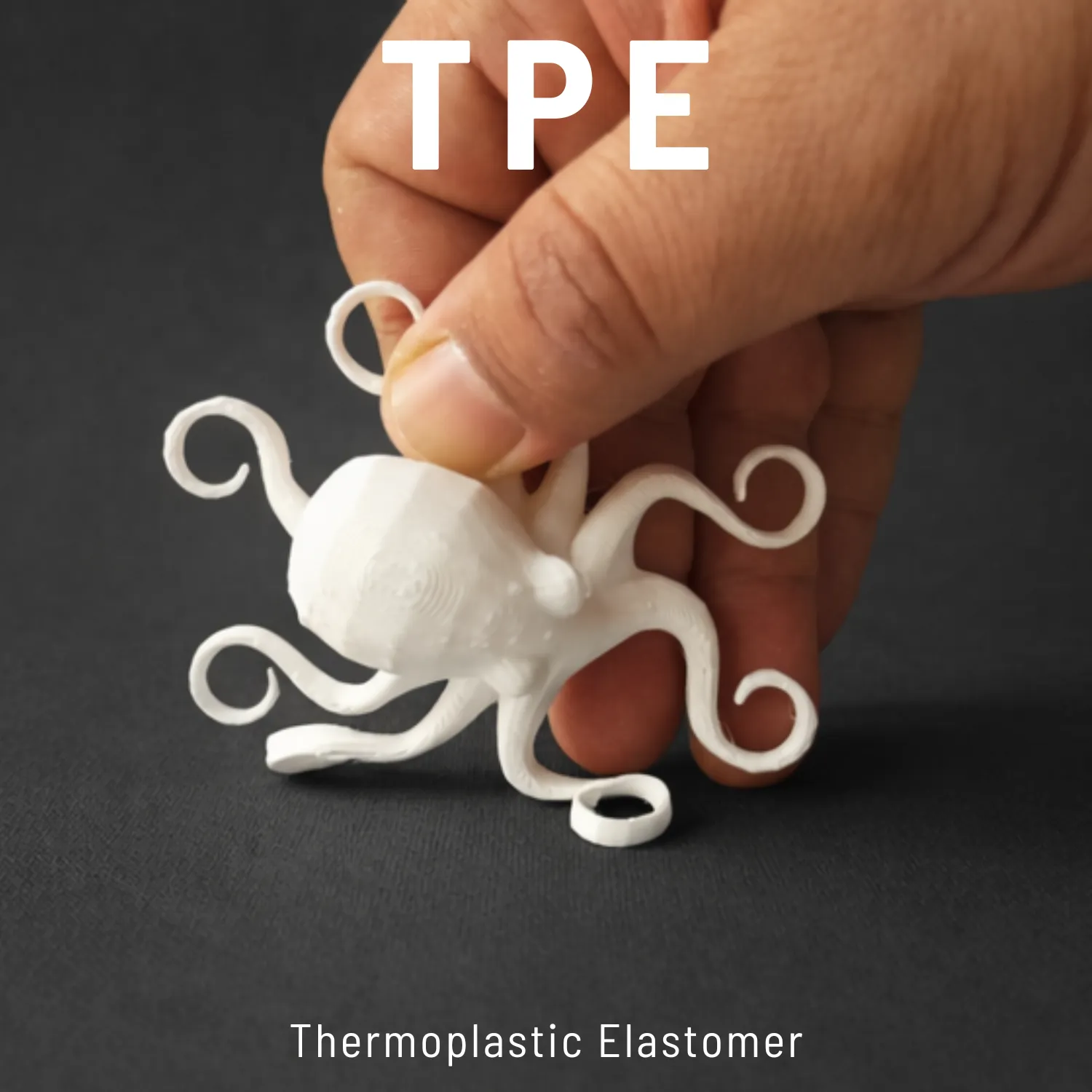
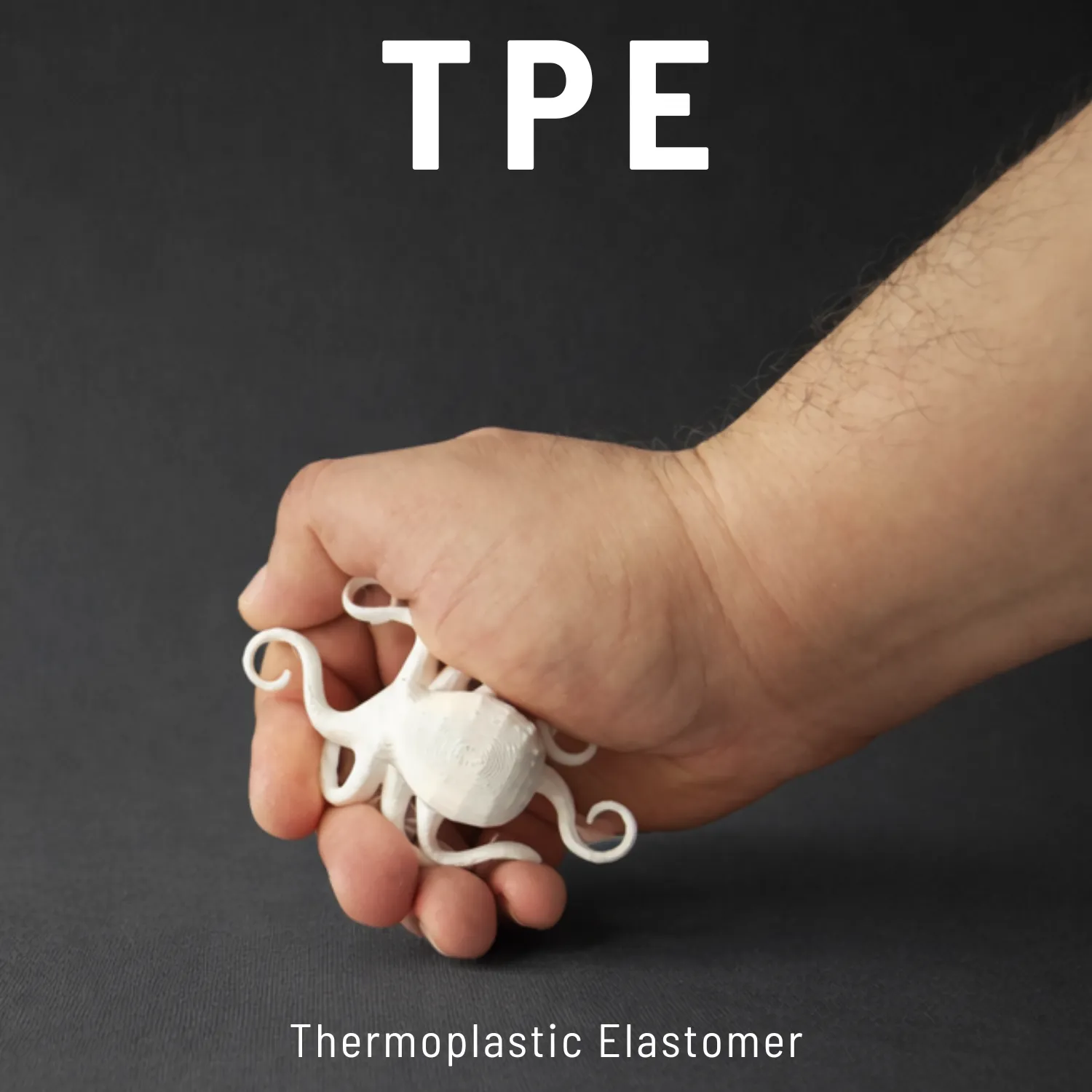
Thermoplastic Elastomer
TPE
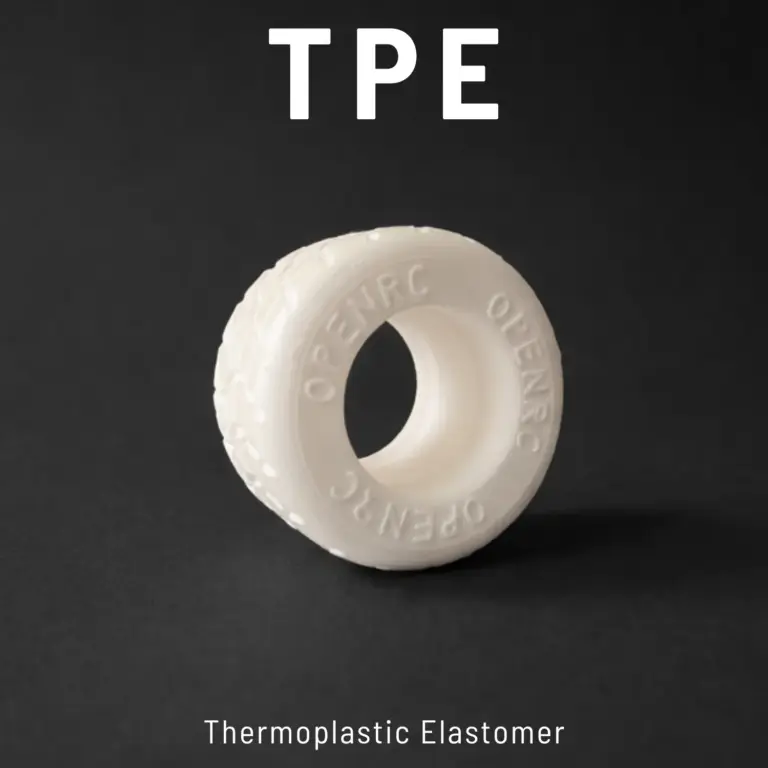
TPE (Thermoplastic Elastomer) is a soft and highly flexible material used in professional 3D printing and FDM 3D printing applications that require rubber-like elasticity. In the 3D printing industry, TPE is valued for its excellent flexibility, impact absorption, and comfortable soft-touch surface. It is a reliable choice for producing flexible 3D printed parts where elasticity and shock resistance are more important than rigidity or structural strength.
The Usage of TPE Materials
- Soft wearable bands and straps.
- Flexible seals and gaskets.
- Cushioning and padding components.
- Vibration dampers.
- Shock-absorbing parts.
- Soft-touch grips and handles.
- Flexible connectors.
- Protective covers requiring extra softness.
PROS
Very Soft & Highly Flexible
More rubber-like feel compared to many other 3D printing materials.
Excellent Elastic Recovery
Can stretch and return close to its original shape.
Comfortable Touch Surface
Ideal for wearable items and grip components.
Good Shock & Vibration Absorption
Suitable for damping and cushioning parts.
Good Chemical Resistance
Performs well in contact with oils and common industrial substances
CONS
Very Low Rigidity
Not suitable for structural or load-bearing applications.
Surface Detail Not Very Sharp
Fine decorative features may appear soft.
Can Deform Under Constant Pressure
Long-term compression may cause permanent shape change.
Limited Aesthetic Variety
Mostly functional appearance, fewer decorative finishes.
May Feel Too Soft for Certain Applications
Not ideal when moderate stiffness is required.
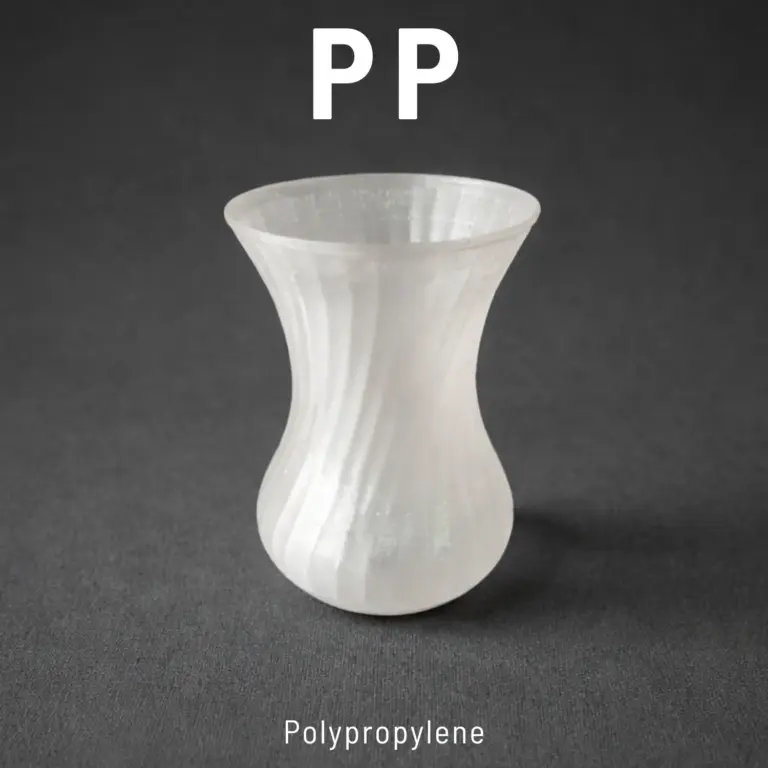
Polypropylene
PP
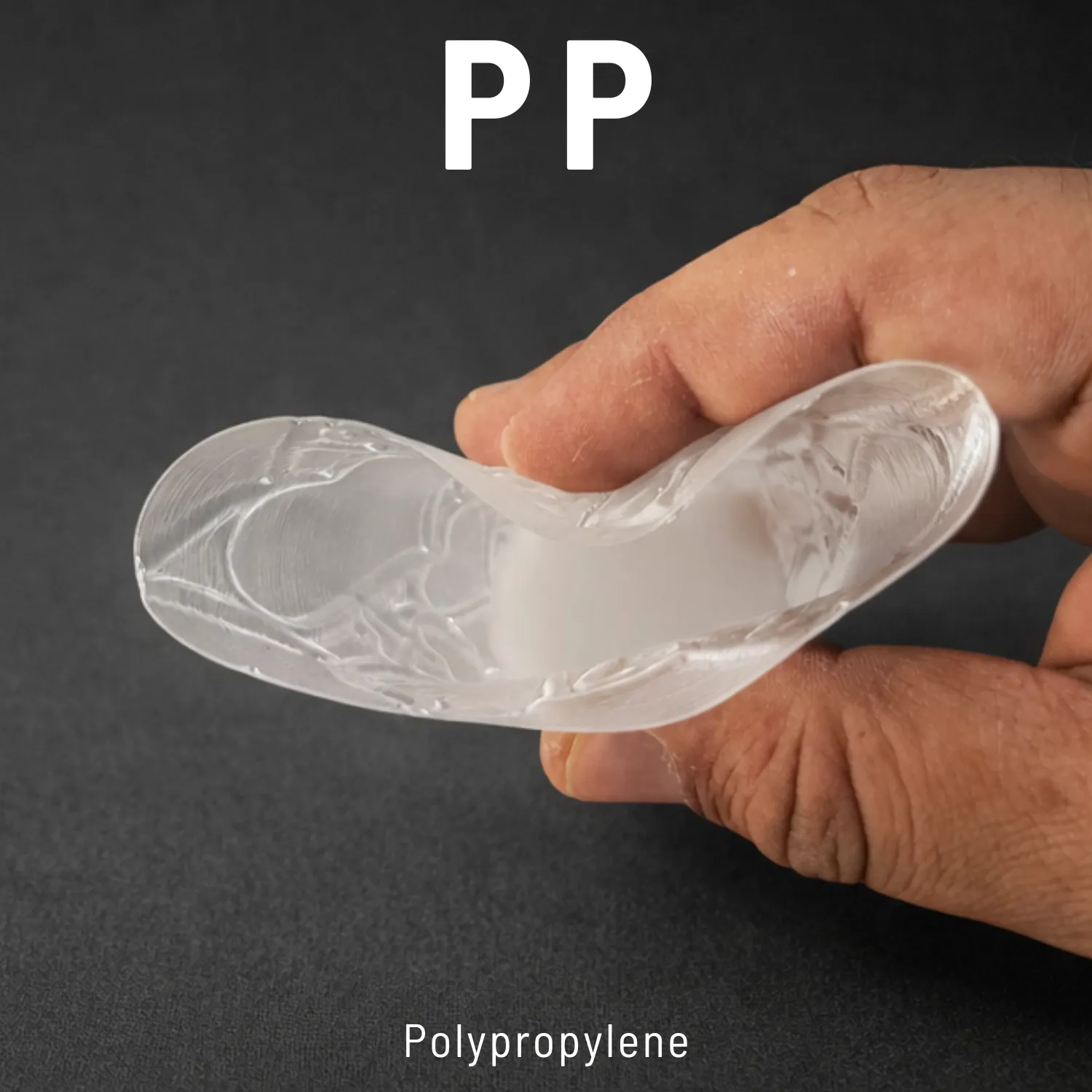
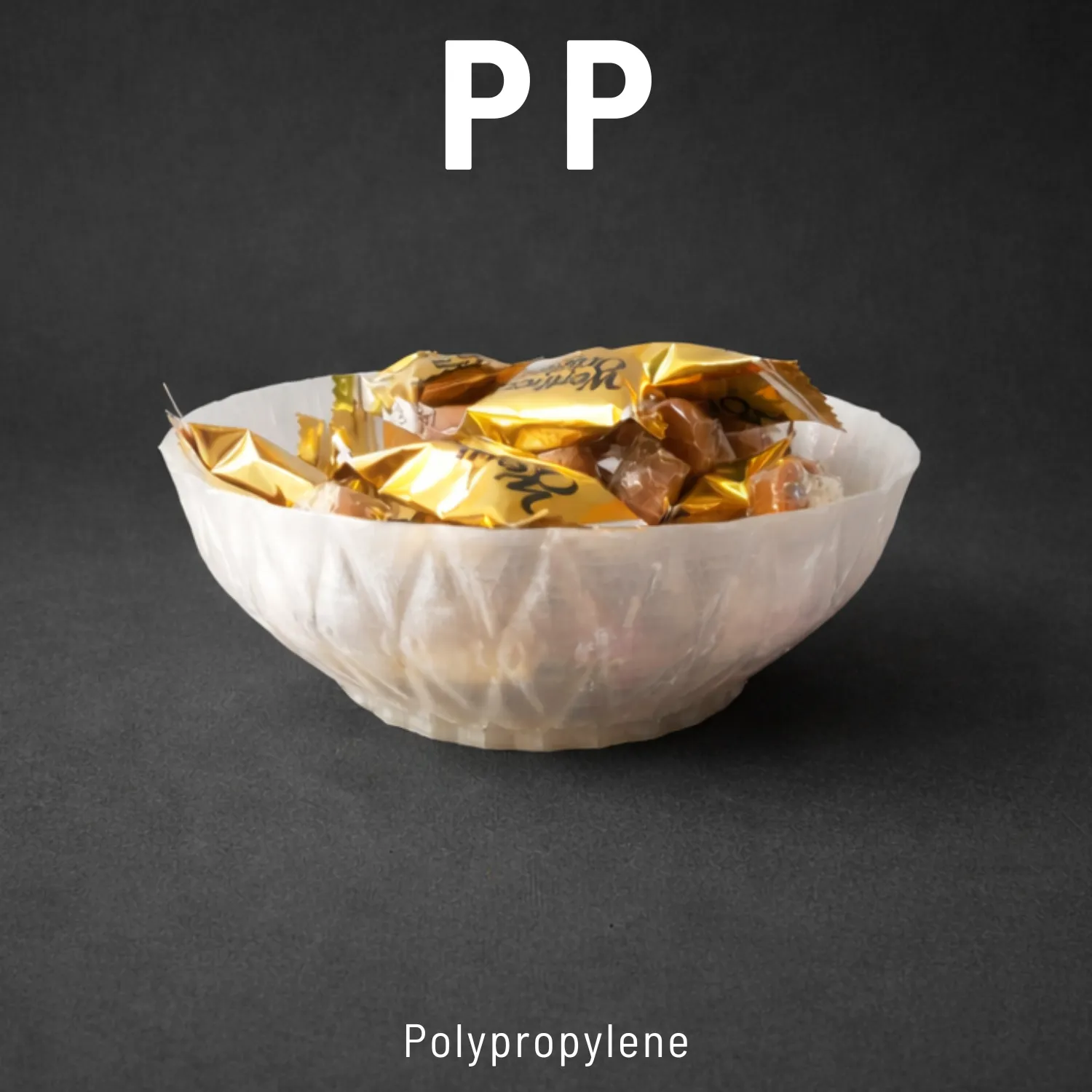
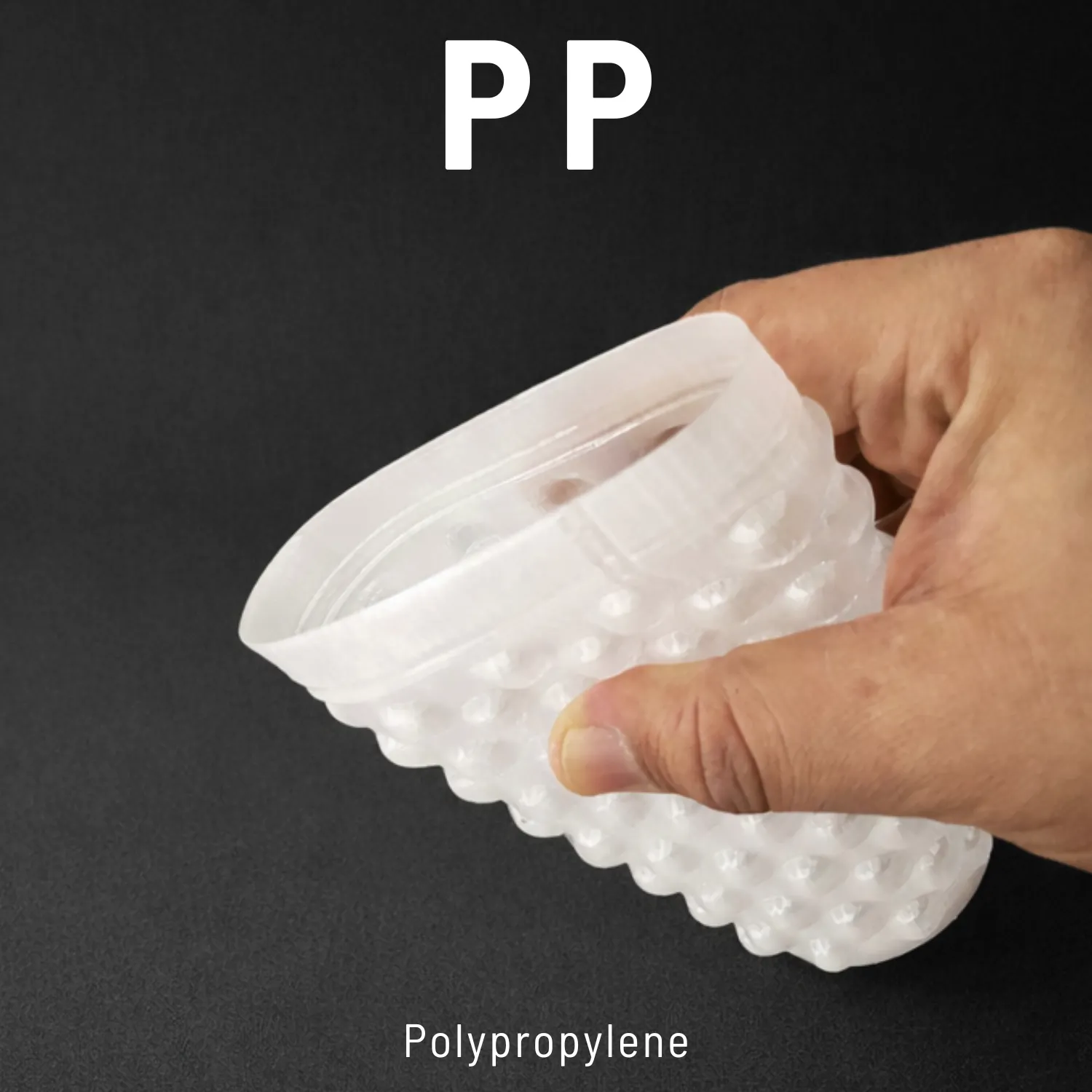
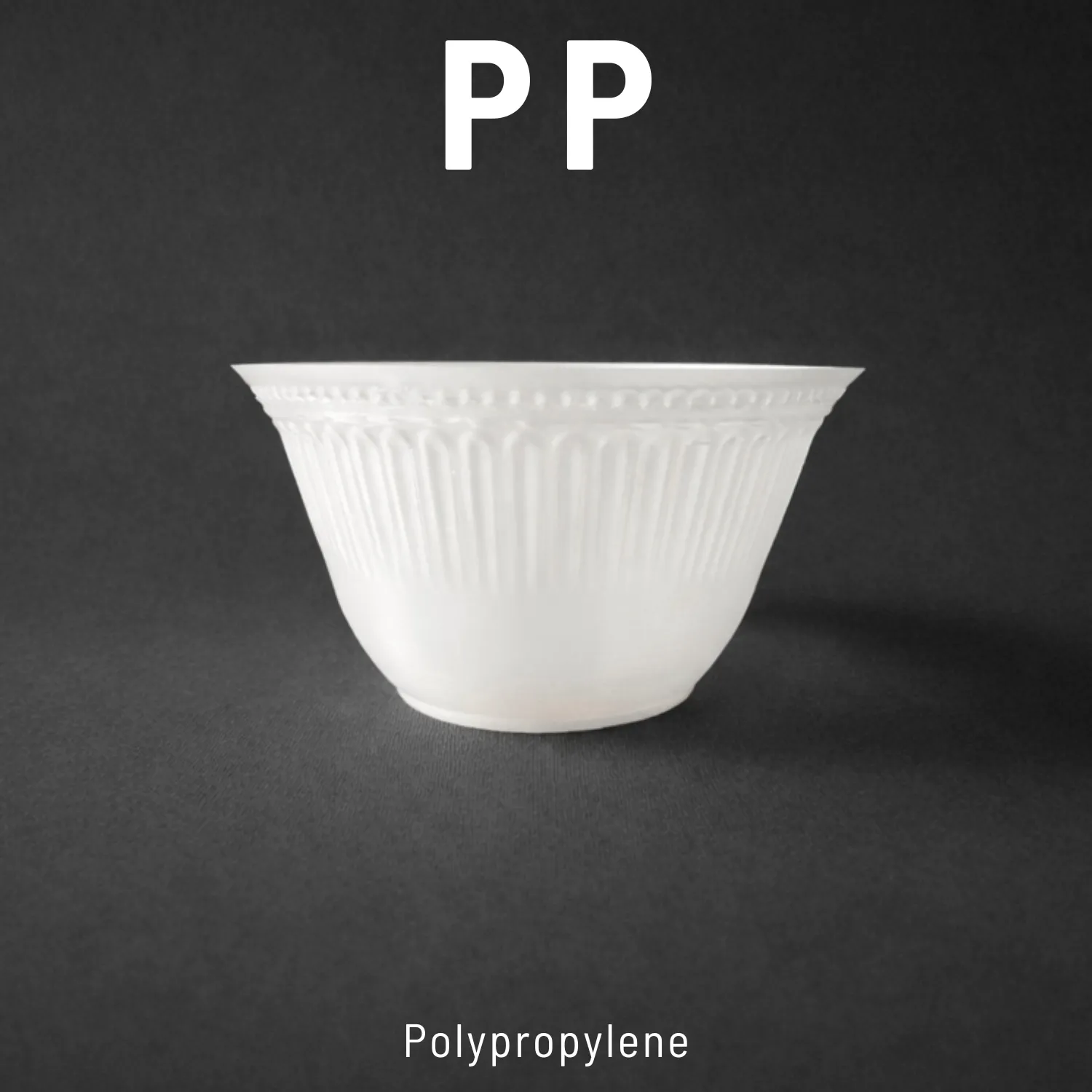
Polypropylene (PP) is a lightweight and chemically resistant material widely used in professional 3D printing and FDM 3D printing applications. Known for its excellent fatigue resistance, durability, and moisture resistance, PP is valued in the 3D printing industry for producing flexible yet strong functional components. It offers reliable mechanical performance, especially in parts that require repeated movement or exposure to chemicals, making it a dependable material for engineering-focused 3D printed solutions.
The Usage of PP Materials
- Containers and storage boxes.
- Living hinges and flexible lids.
- Snap-fit components.
- Chemical-resistant parts.
- Industrial fixtures and holders.
- Repeated-motion mechanical parts.
- Lightweight functional prototypes.
- Moisture-resistant.
PROS
Excellent Chemical Resistance
Resistant to acids, bases, and many industrial chemicals.
High Fatigue Resistance
Performs very well in living hinges and repeatedly moving parts.
Lightweight Material
Lower density compared to many other plastics.
Good Impact Resistance
Durable and resistant to cracking under stress.
Water & Moisture Resistant
Suitable for humid or wet environments
CONS
Lower Surface Detail Compared to PLA or Resin
Not ideal for highly detailed display models.
More Functional Than Decorative Appearance
Typically has an industrial look.
Limited Color & Finish Variety
Fewer aesthetic options compared to PLA-based materials.
Surface Can Feel Slightly Waxy
May not give a premium visual impression for presentation pieces.
Adhesion of Paint or Coatings Is Limited
Post-finishing options may require special surface preparation.
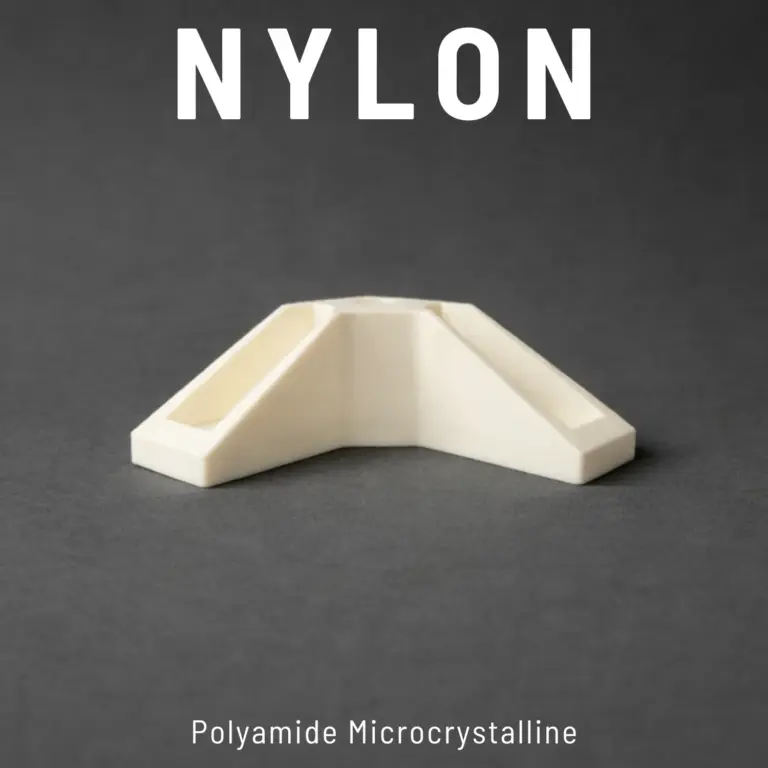
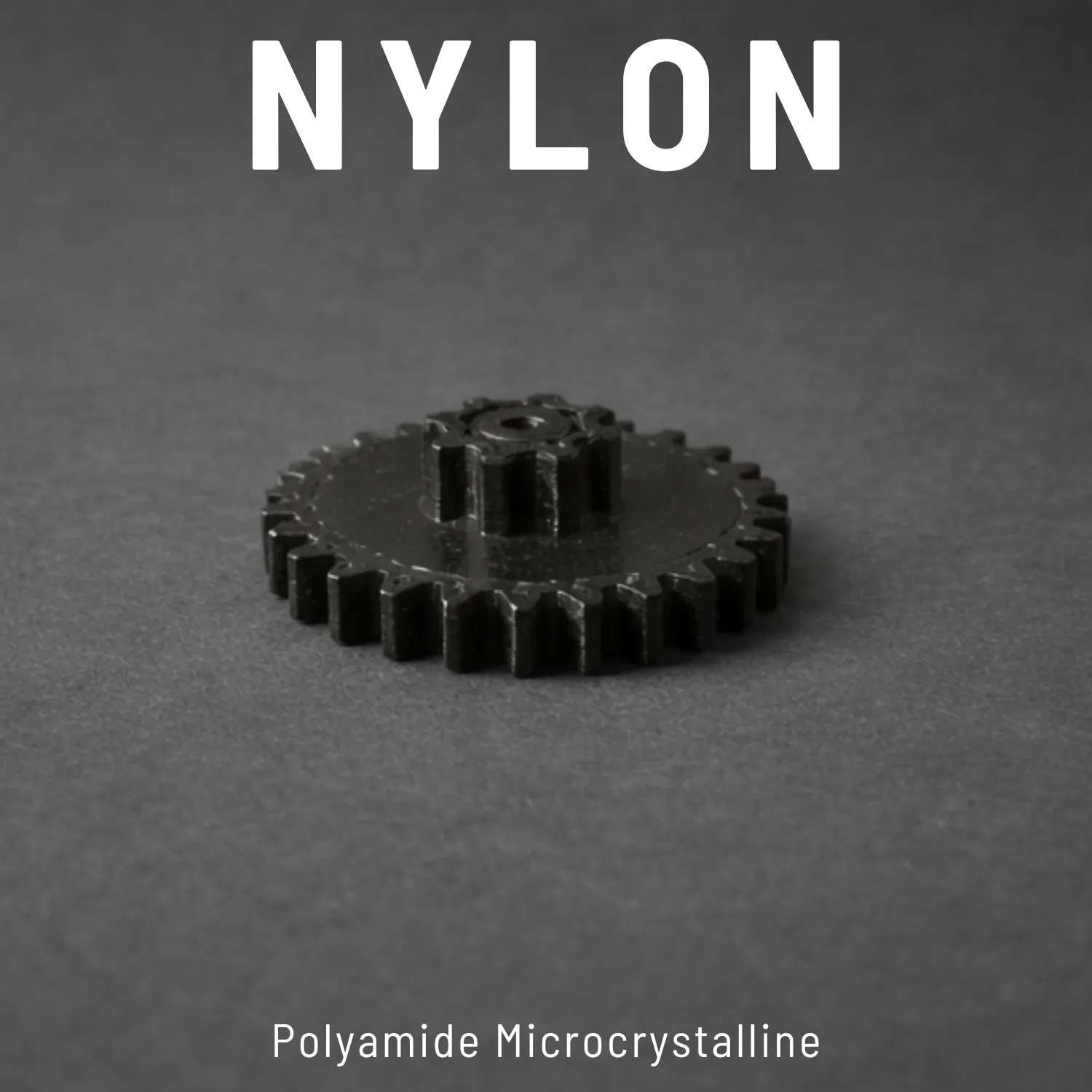
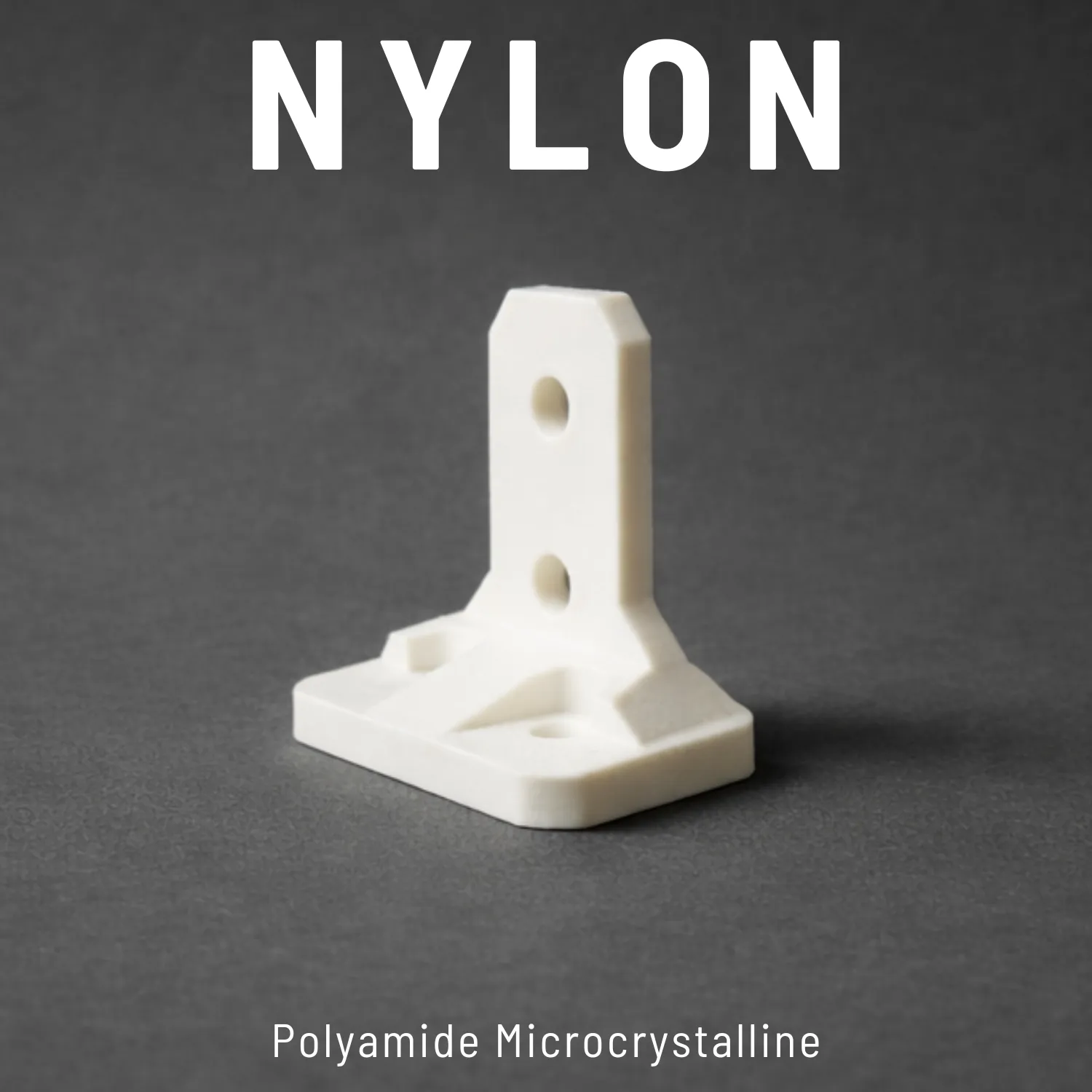
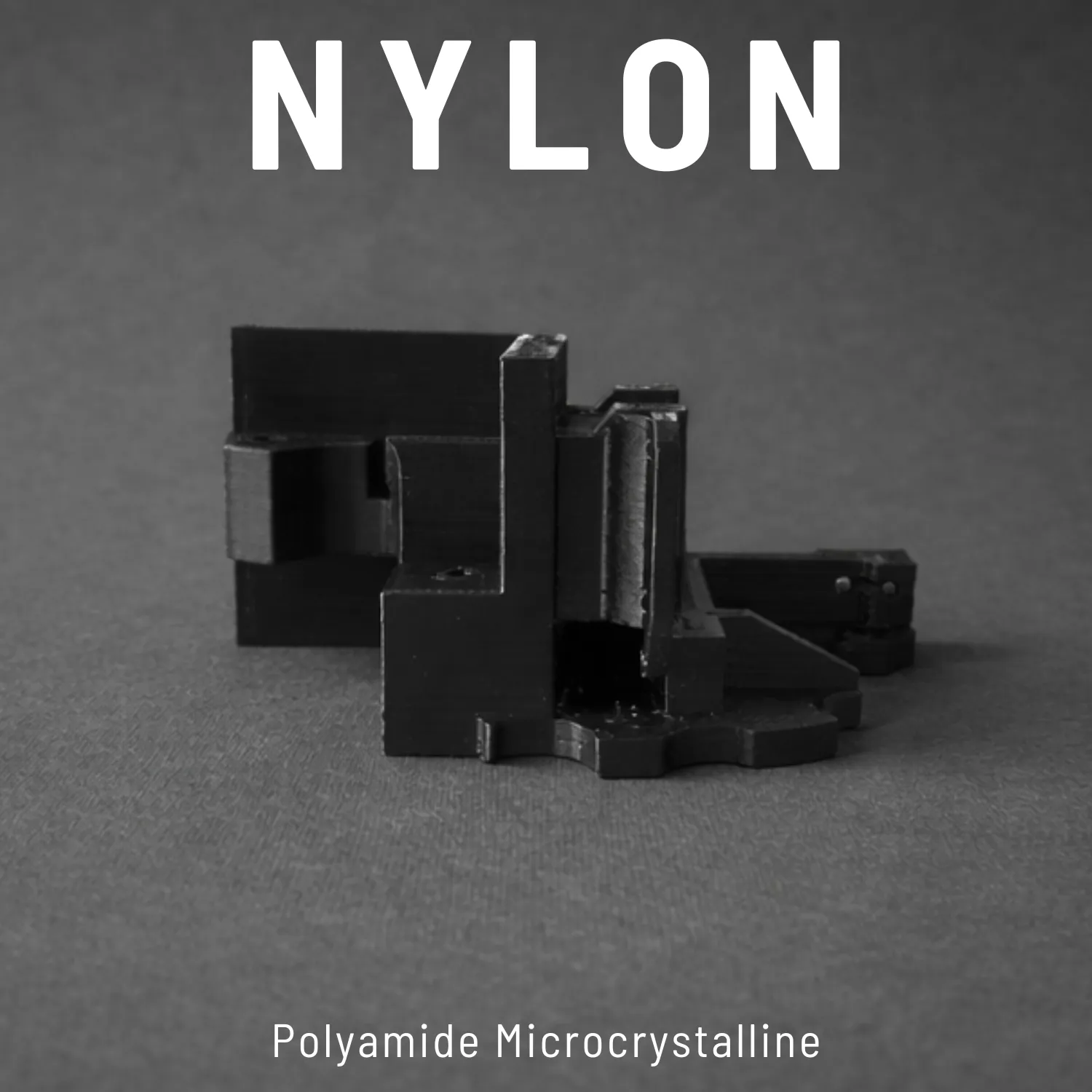
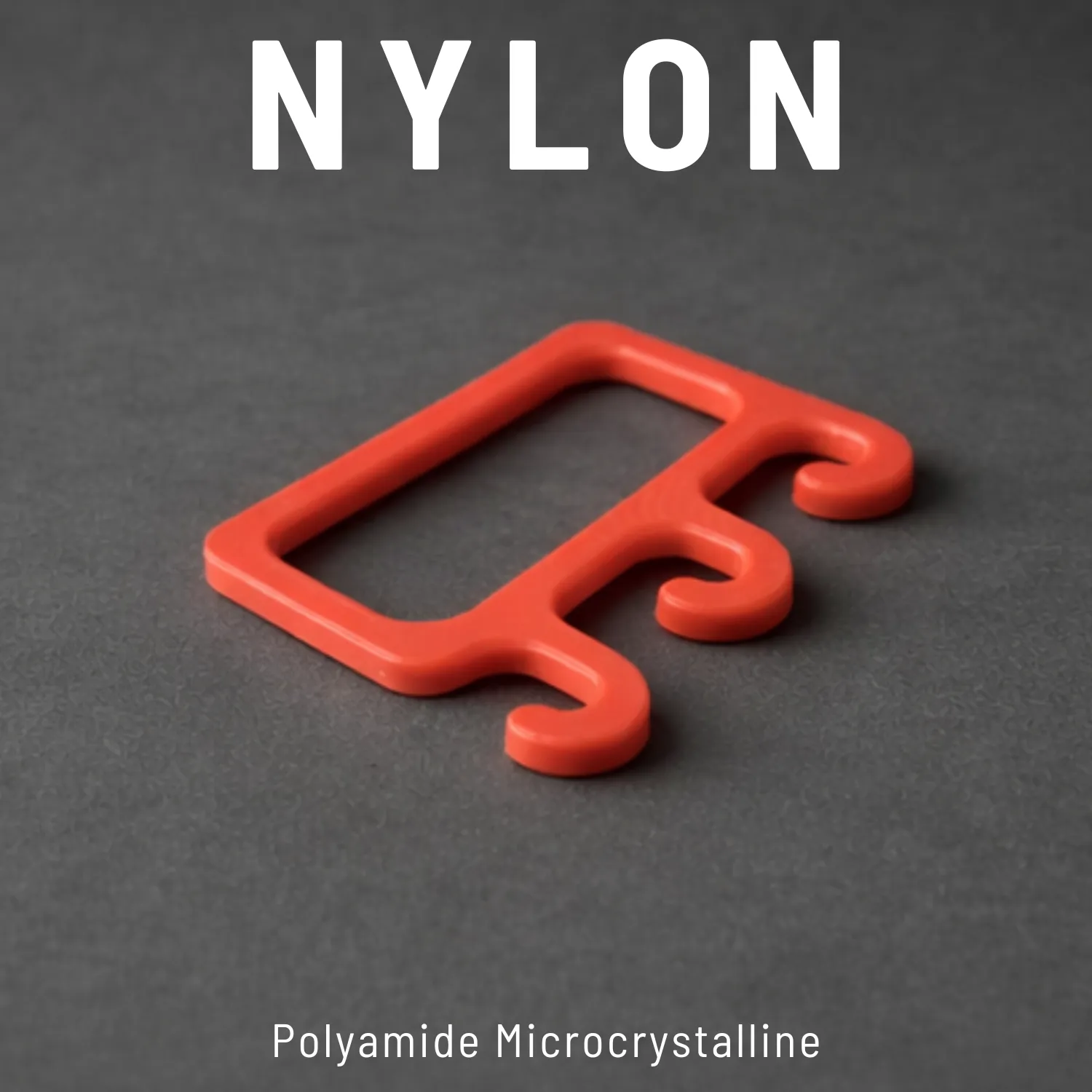
Polyamide Microcrystalline
NYLON
Nylon PA-12 (Polyamide 12) is a high-performance engineering material widely used in professional 3D printing and advanced FDM 3D printing applications. Known for its excellent mechanical strength, wear resistance, and impact durability, Nylon is highly valued in the 3D printing industry for producing strong and long-lasting functional parts. It offers a balanced combination of toughness, flexibility, and thermal stability, making it a reliable choice for high-quality 3D printed components that require superior performance and structural integrity.
The Usage of NYLON Materials
- Gears and moving mechanical parts.
- Snap-fit components.
- Mechanical housings and enclosures.
- Industrial brackets and mounts.
- Automotive functional parts.
- Engineering prototypes.
- Wear-resistant components.
- Structural parts requiring strength and durability.
PROS
Excellent Mechanical Strength
Strong and durable, suitable for demanding functional parts.
High Impact & Wear Resistance
Performs well under friction and repetitive mechanical movement.
Balanced Flexibility & Toughness
Resistant to fuels, oils, and many industrial substances.
Good abrasion resistance
Can withstand stress without cracking easily.
Good Thermal Stability
Maintains performance better than PLA and PETG in elevated temperatures.
CONS
Surface Not as Smooth
Fine decorative details may not appear ultra-sharp.
More Functional Than Aesthetic
Industrial look rather than premium display finish.
Limited Color Options
Often available in neutral tones (white, black, grey).
Can Absorb Moisture Over Time
May slightly affect dimensional stability in humid environments.
Higher Cost Compared to Standard Filaments
Typically more expensive than PLA, PETG, or ABS.
Ready to Bring your Ideas to Life?
Contact us now for a consultation or quote, and we’ll help you create the custom art piece you’ve been imagining. Let’s make your project a reality with our expert 3D printing services.


